The First 30 Minutes: Life-Saving Actions in Remote Jungle Emergencies
In This Lesson
Lesson Overview
In this lesson, we cover how to respond to medical emergencies in remote jungle environments, focusing on the critical first 30 minutes. You’ll learn how to assess safety, manage airway, breathing, and circulation (ABCs), stabilize injuries, and handle pain and anxiety.
The lesson also introduces prolonged field care and how to keep a casualty stable when evacuation is delayed.
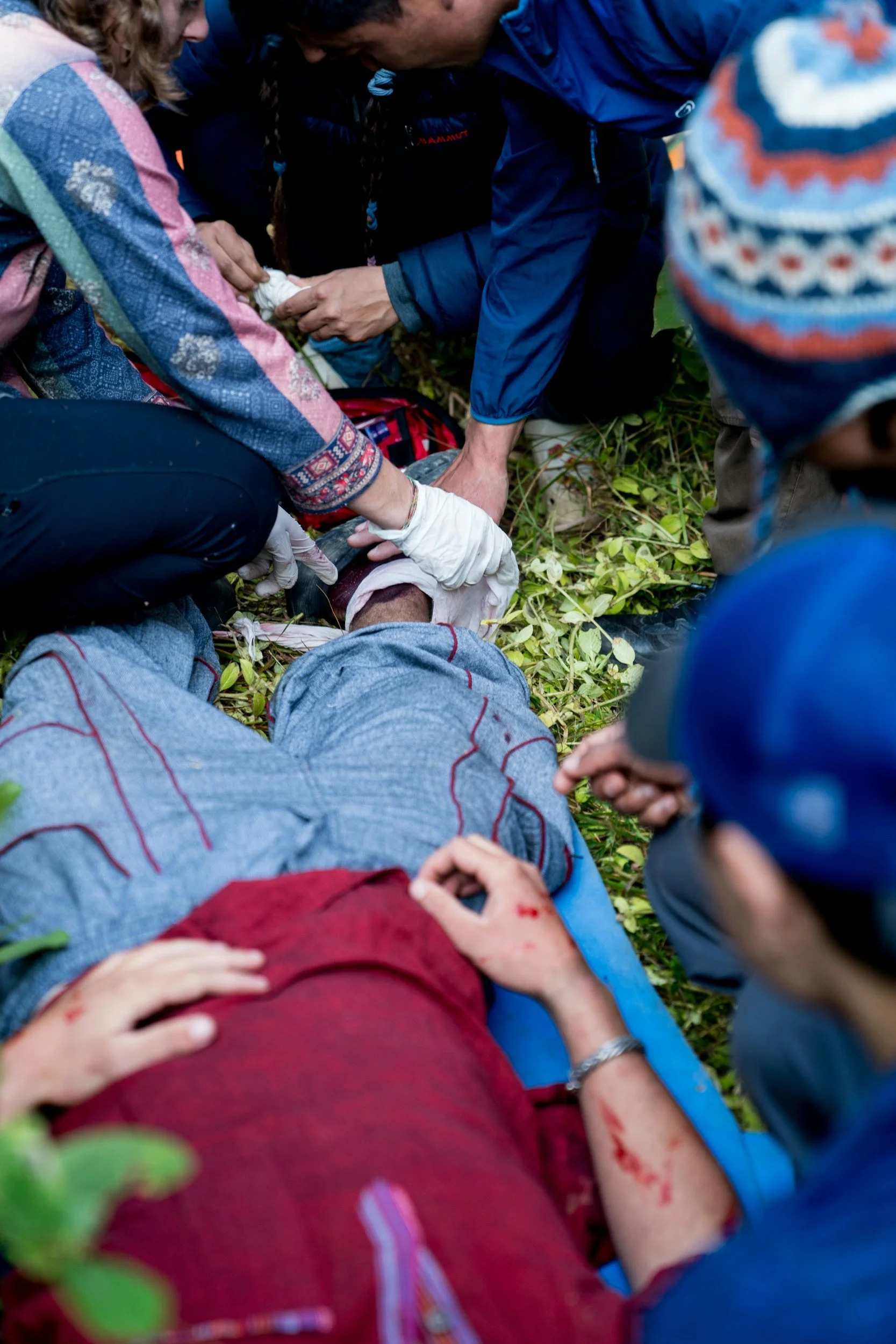
In remote jungle environments, serious medical emergencies require immediate, decisive action. This is not the time for uncertainty or hesitation. The first 30 minutes are critical; this period is where the decisions you make can either stabilize or worsen the condition of an injured person. In environments like the jungle, the clock starts ticking the moment the incident occurs. Help might not be coming for hours, days, or even longer, and in many cases, reaching a medical facility could take a considerable amount of time, if not an impossible task. This means that every action you take must be focused, deliberate, and aimed at ensuring the survival of the individual involved.
In this article, we'll walk through the steps you need to take during those crucial first 30 minutes. These are the moments when your knowledge, calmness under pressure, and ability to make the right calls can mean the difference between life and death.
1. Assess the Situation and Ensure Safety
The first step in any emergency is ensuring that you are not putting yourself or others in danger. In a jungle, this means a constant awareness of potential threats such as animals, unstable terrain, or hazardous conditions (e.g., flooding, storms, or toxic plants). Imagine this scenario: you're leading a group through dense jungle, and one of your team members falls, screaming in pain. Before rushing to their side, you need to assess the area for danger. If the fall occurred near a venomous snake, a river with strong currents, or in an unstable part of the jungle prone to landslides, your first responsibility is to secure the environment. Move yourself and the casualty to a safer position if possible, or assess the best way to minimize further risk while staying in place.
Once the area is secure, and you're free from immediate danger, your next task is to evaluate the condition of the injured person. Keep in mind that in the jungle, time is distorted — what feels like minutes can stretch into an eternity, and that means you must act efficiently.
2. Initial Assessment: Airway, Breathing, Circulation (ABCs)
The ABCs are the cornerstone of emergency medicine, and in remote jungle settings, they become even more critical. The first thing you need to check is the airway — if the casualty’s airway is blocked, even for a short time, it can lead to rapid deterioration. Ensure that their airway is clear, and if not, you’ll need to take steps to clear it. For example, if they are unconscious, you may need to reposition their head or remove any obstructions like dirt, blood, or vomit that could block their air passage.
Once you’ve confirmed the airway is clear, you move on to assessing breathing. In a jungle, where humidity and heat can exacerbate respiratory problems, check to see if the casualty is breathing adequately. If they are not, you must perform CPR or rescue breathing as required. In extreme environments like the jungle, where help is distant, the prolonged lack of oxygen can lead to irreversible brain damage or death within minutes.
Circulation is the next crucial step. Look for signs of major bleeding and take immediate action to control any hemorrhaging. If you’ve got access to a first aid kit, use bandages or pressure dressings to stem the flow of blood. If bleeding is severe, tourniquets may be needed, but they should only be applied as a last resort because they can cause tissue damage if left on for too long.
Imagine a scenario where a group is hiking through the jungle, and one member slips, suffering a deep gash on their leg. Blood is flowing heavily, and immediate attention is needed. You’ve already secured the area and ensured no further threats, so your next move is to staunch the blood flow. Applying direct pressure with whatever materials you have at hand (even clothing or a piece of a backpack) will be a top priority before moving on to the rest of the assessment.
3. Stabilize the Casualty
Once you’ve ensured the airway is clear, breathing is functional, and circulation is managed, you move on to stabilizing the casualty. This doesn’t just mean making sure they’re comfortable; it means preparing them for the prolonged period of care they may need until help arrives or an evacuation is possible. In the jungle, where movement is often difficult, you need to think about how to protect the casualty from the environment. Use clothing, leaves, or any available materials to cover the injured person and keep them warm. Hypothermia is a serious risk even in tropical jungles, where heavy rain, damp conditions, and low temperatures at night can lower the body temperature significantly.
In this stage, you're also thinking about how to keep the casualty's condition from worsening. For example, if they’ve suffered an injury to a limb, you need to immobilize that area to prevent further damage. Improvised splints from nearby materials such as bamboo, branches, or trekking poles can serve as an effective way to stabilize a fracture.
Picture a situation where someone is stuck under a heavy log or has fallen from a height, potentially suffering a spinal injury. In this case, you should avoid unnecessary movement and stabilize the neck and spine with any available materials like rolled-up shirts, backpacks, or even jungle vines to keep the person from moving until they can be evacuated.
4. Managing Pain and Anxiety
Pain and anxiety are two elements that can quickly escalate in a remote jungle emergency, especially when the victim is aware of their isolation. Addressing both of these issues is important for the physical and emotional well-being of the casualty. Pain management can be done with over-the-counter medications like ibuprofen or acetaminophen (if available) but must always be balanced with the knowledge that some medications can have side effects — especially in the wilderness.
Equally important is managing the casualty’s mental state. Fear and panic are natural responses to trauma, but they can also worsen the condition by elevating heart rate and blood pressure, which could lead to more bleeding or complicate an existing injury. This is where your role as a leader and guide comes into play. By speaking calmly, offering reassurance, and maintaining a steady presence, you provide the emotional stability that can keep the casualty from losing hope.
Imagine trying to calm someone who's panicked after a snake bite or insect sting in the jungle. In these cases, you must work quickly to reassure them, control their fear, and encourage them to focus on the steps you're taking to help them. Telling them “we’re going to get you through this” is as important as any medical treatment you provide.
5. Prolonged Field Care: The Reality of Waiting for Evacuation
After the initial stabilization, you may face the uncomfortable reality that evacuation will not be immediate. Whether the casualty is immobilized due to a fracture, burns, or a serious infection, the jungle can be an unforgiving place to try to maintain care for an extended period of time. Prolonged field care can last anywhere from a few hours to several days. During this time, you’ll need to monitor vital signs, prevent infection, and manage the injury while waiting for evacuation or attempting to transport the casualty yourself.
The environment in which you’re operating may be filled with distractions — hot, humid weather; torrential downpours; the threat of wild animals — but staying focused on the casualty’s needs is critical. For example, if a person has suffered a snake bite, monitoring for signs of shock and administering fluids (if possible) can help maintain circulation. If you’re in an area where water-borne diseases are a concern, you may need to purify any water you give to the casualty.
If evacuation is impossible, you may need to make use of the environment and your gear to assist in the journey. This is where improvising stretchers from hammocks, ponchos, or packs comes into play. In cases of severe injury, such as when a person cannot walk due to a broken leg or torso injury, a makeshift stretcher or carrying system is invaluable.
In these situations, the longer you can keep the casualty stable and calm, the higher the chances of a positive outcome. Consider a scenario where you are in a flooded jungle area. The only way out is downriver, and you have to improvise a floating stretcher using packs and ponchos. This innovation, combined with your expertise in navigating the jungle, will be the determining factor in the success of the evacuation.
Conclusion: Time is Your Enemy, Knowledge is Your Weapon
When it comes to jungle emergencies, time is of the essence. Every minute counts, and the ability to think on your feet, prioritize medical needs, and remain calm under pressure can literally save lives. The actions taken during the first 30 minutes and the prolonged care that follows are often what separate survivors from victims. It’s important to understand that while you cannot control everything in the jungle, your knowledge, skills, and ability to improvise in the face of adversity can make all the difference. Whether it’s stabilizing an injury, calming a panicked victim, or finding a way to get them to safety, you are the key to their survival.
