Jungle Specific Hypothermia
IN THIS LESSON
Learning Objectives
Understand how hypothermia occurs in hot, wet environments
Learn how to recognize early and late signs of hypothermia
Apply effective treatment and prevention strategies in jungle conditions
Hypothermia in the Jungle? Yes.
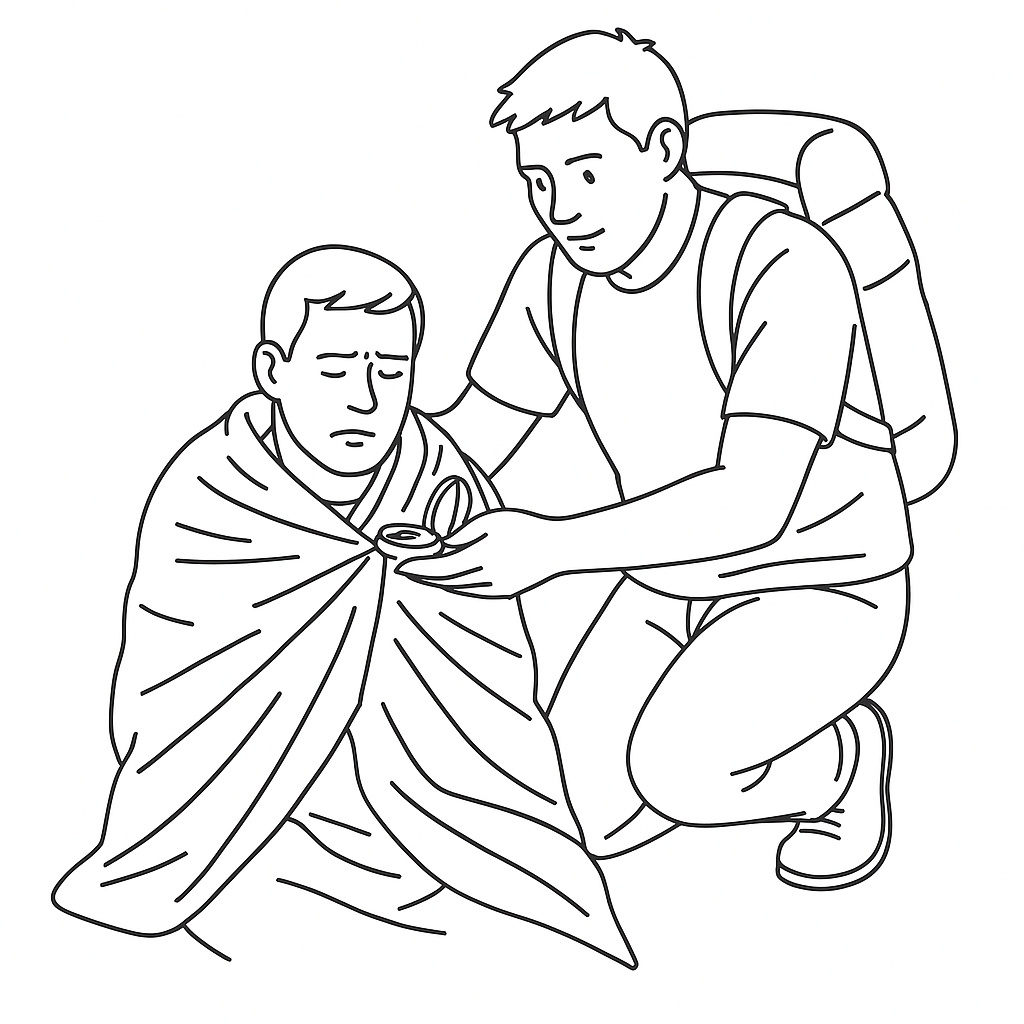
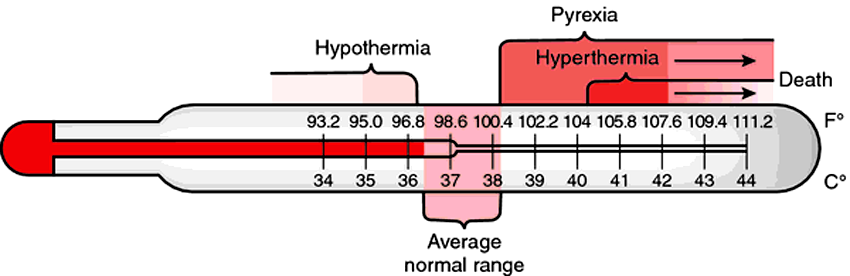
It’s a common myth that hypothermia only happens in cold climates. In reality, wet conditions, wind, and inactivity can cause rapid heat loss even in tropical environments—especially after sunset or in high-altitude jungle regions.
Victims of injury, exhaustion, immersion, or prolonged exposure are all at risk—especially if shelter is delayed or clothing is wet.
Causes of Jungle Hypothermia
Prolonged rain exposure with wet clothing
Nighttime temperatures in cloud forests or highland jungles
Sudden drop in body temperature after immersion in rivers or swamps
Inactivity or immobilization (e.g., injured casualty lying still)
Wind chill from elevation or storms
Fatigue and dehydration reducing the body’s heat production
Signs & Symptoms
Early (Mild Hypothermia):
Shivering
Pale, cool skin
Poor coordination
Numbness in fingers or toes
Confusion or slowed thinking
Moderate to Severe Hypothermia:
Slurred speech
Shivering stops (bad sign!)
Lethargy or disorientation
Shallow or slow breathing
Weak pulse
Loss of consciousness
Prevention in the Jungle
Always pack a dry layer in a waterproof bag
Build shelters early—don’t wait for darkness
Use hammocks or sleeping pads to stay off cold ground
Dry socks and foot care are essential
Eat and hydrate to maintain energy and circulation
Keep the injured or exhausted warm, dry, and insulated
-
Mild Hypothermia:
Move to sheltered, dry location
Remove wet clothing and replace with dry, insulating layers
Use body-to-body warmth if necessary
Insulate from the ground (sleep pad, clothing, vegetation)
Warm fluids if fully conscious (never alcohol)
Protect from rain and wind
Monitor vitals regularly
Moderate to Severe Hypothermia:
Handle gently – rough movement can cause cardiac arrest
Prevent further heat loss (insulation, shelter, wind protection)
Do not actively rewarm limbs
Monitor airway, breathing, circulation
Begin evacuation as soon as possible
Only give fluids if conscious and alert
Key Takeaway:
Hypothermia in the jungle is real—and often overlooked. Wet clothes, immobility, and night exposure can create life-threatening cold stress. Know the signs, act early, and insulate immediately.
-
The jungle environment can be as dangerous as any illness or injury. Heat, humidity, water, and exposure all play a role in creating medical emergencies that escalate quickly without early action. This module focused on preventing and managing the most common environmental threats in tropical regions.
Key Takeaways:
1. Heat Illness is Progressive and Preventable
Heat illness begins subtly with cramps and fatigue, then advances to heat exhaustion and potentially life-threatening heat stroke. Prevent it by hydrating regularly, resting in shade, and monitoring teammates for early signs.2. Hydration is a Survival Skill
In the jungle, dehydration builds quietly. Small, regular intake of water and electrolytes is essential. Don’t wait for thirst. Use oral rehydration salts, purify all drinking water, and check for dark urine, fatigue, or confusion.3. Hypothermia Happens in the Jungle
Rain, elevation, and wet clothing create real risk—especially at night or when injured. Learn to spot early signs, insulate immediately, and never underestimate the cold stress caused by a wet environment.4. Prevention is the Best Medicine
Every environmental emergency is easier to prevent than to treat. Pack smart, move mindfully, monitor your team, and respond early to physical or behavioral warning signs.Environmental conditions in the jungle can change rapidly. But with strong habits and field awareness, you can reduce risk—and stay mission-capable even in the harshest settings.
🧊 Jungle Hypothermia Quick Reference
Even in tropical environments, hypothermia is a real risk—especially in wet, windy, or high-altitude conditions. Use this guide to identify and manage cold stress in the jungle.
🚩 Signs of Hypothermia
Mild (Early Warning)
Shivering
Pale or cool skin
Clumsiness or poor coordination
Numb fingers or toes
Slowed thinking or speech
Moderate to Severe
Slurred speech
Loss of shivering (red flag)
Drowsiness or confusion
Shallow breathing or weak pulse
Loss of consciousness
✅ Treatment Steps
If Mild (Patient Is Alert and Responsive):
Move to shelter, away from wind and moisture
Replace wet clothing with dry layers
Add insulation (blankets, sleeping bags, leaves, clothing)
Provide warm fluids (only if conscious)
Use body heat if needed (skin-to-skin in dry layers)
Insulate from ground with pad, clothing, or vegetation
If Moderate to Severe:
Handle patient gently—rough movement can trigger cardiac arrest
Focus on preventing further heat loss
Do not warm limbs directly
Monitor ABCs (Airway, Breathing, Circulation)
Begin evacuation
Do not give fluids if unconscious or semi-conscious
🛡 Jungle-Specific Prevention Tips
Always carry a dry base layer in a waterproof bag
Use sleeping pads or hammocks to stay off cold, wet ground
Build shelters before dark
Change wet socks and manage foot care daily
Watch injured or exhausted teammates closely
Maintain calories and hydration—fuel keeps you warm
Tip: If someone stops shivering in a cold, wet jungle environment—act immediately. That’s a late and dangerous sign.
For advanced information on hypothermia, check out our medical directors latest publication: A regional modification to the Revised Swiss System for clinical staging of hypothermia including confusion | Scandinavian Journal of Trauma, Resuscitation and Emergency Medicine | Full Text
