Personal Jungle First Aid Kit List
IN THIS LESSON
Learning Objectives
Understand the essential contents of a personal jungle first aid kit
Learn how to adapt your kit to your role, region, and health profile
Recognize the importance of weight, waterproofing, and field durability
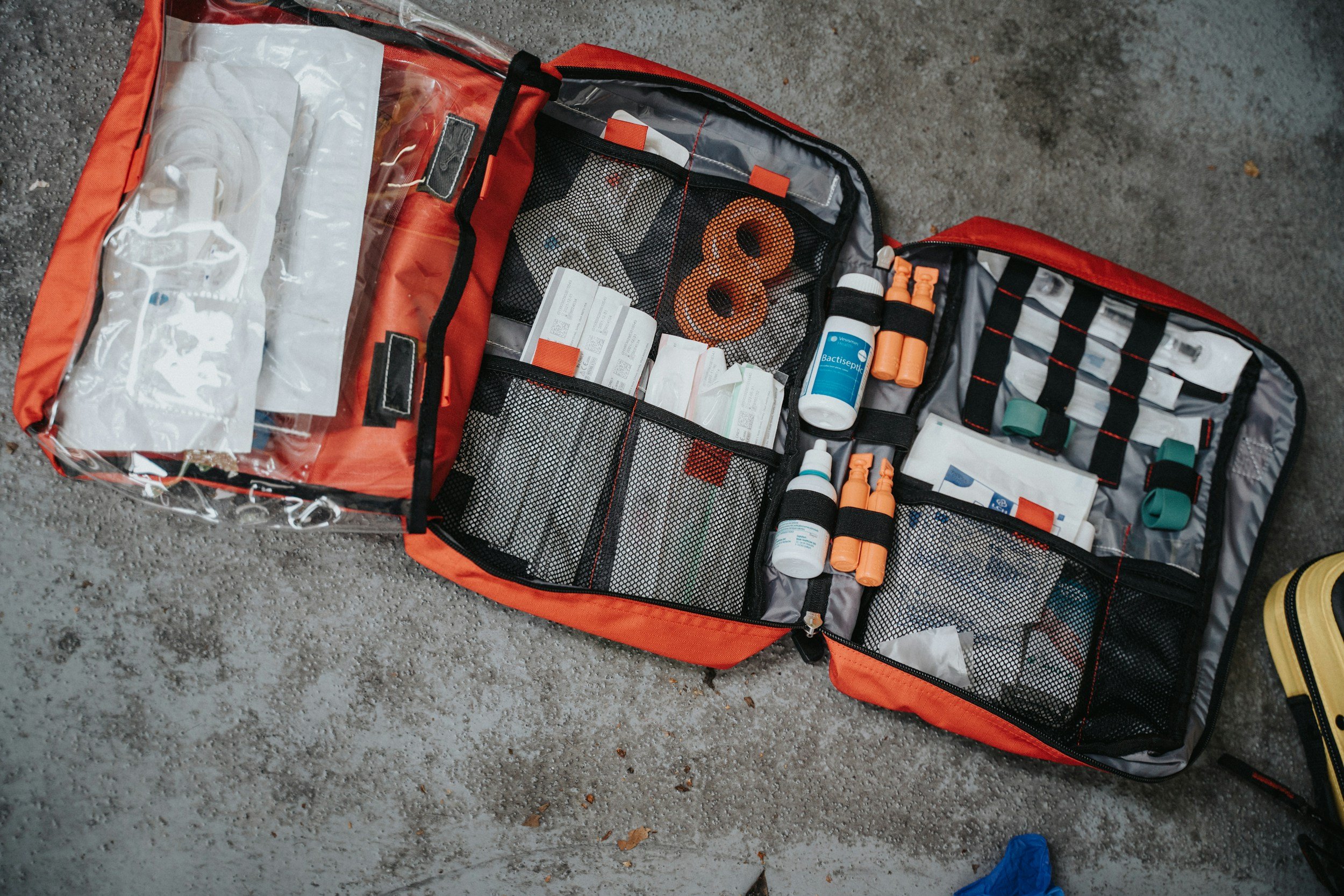
A personal jungle first aid kit is your frontline tool for managing injury, illness, and environmental stress. It must be compact, waterproof, and ready to handle the most likely emergencies in a tropical, high-humidity environment—where infection risk is high, and help is far away.
Key Principles:
Choose lightweight, multi-use items where possible
Prioritize waterproof or weather-resistant packaging
Include personal medications and region-specific needs
Avoid over-packing—weight matters in the field
Customize based on activity, remoteness, and medical screening results
Core Contents:
-
Sterile gauze and dressings
Compression bandages
Hemostatic agents (e.g., QuikClot or Celox)
Tourniquet (e.g., CAT or SOFT-T)
-
Alcohol wipes
Antimicrobial ointment (e.g., Polysporin)
Iodine or chlorhexidine solution
-
Pain relief (e.g., acetaminophen, ibuprofen)
Antihistamines (for bites, stings, mild allergies)
Antidiarrheals (e.g., loperamide)
Antimalarials (prescribed for region)
Oral antibiotics or antifungals (as prescribed)
Rehydration salts or electrolyte tablets
-
Moleskin or blister pads
Anti-chafing cream
Antifungal powder or cream
Zinc oxide for rash or immersion foot
-
Trauma shears
Tweezers (for ticks, splinters, etc.)
Thermometer (preferably digital or strip-style)
Safety pins, tape, and small scissors
-
CPR face shield
Nitrile gloves (2–4 pairs)
Emergency whistle or signal mirror
Compact reference card or manual
-
Water purification tablets (chlorine or iodine-based)
Small filter or straw filter system
Optional / Region-Specific Additions
Snakebite bandage or pressure immobilization wrap
Epinephrine auto-injector (if prescribed)
Antiparasitic treatments
Insect bite relief gel
Eye wash ampoules or saline
Personalization is Key No two kits should be exactly the same. Your medical screening, destination, length of travel, and intended activity should all inform what you pack. For example:
A climber may include splinting materials
A researcher staying in one location may carry more long-term infection treatments
Someone with allergies may carry extra antihistamines or epinephrine
Storage Tip:
Use a high-visibility dry bag or waterproof pouch. Label medications clearly. Keep the kit in a fast-access pocket—not buried in your main pack.
