Snake Bite Scenario
IN THIS LESSON
SCENARIO OVERVIEW
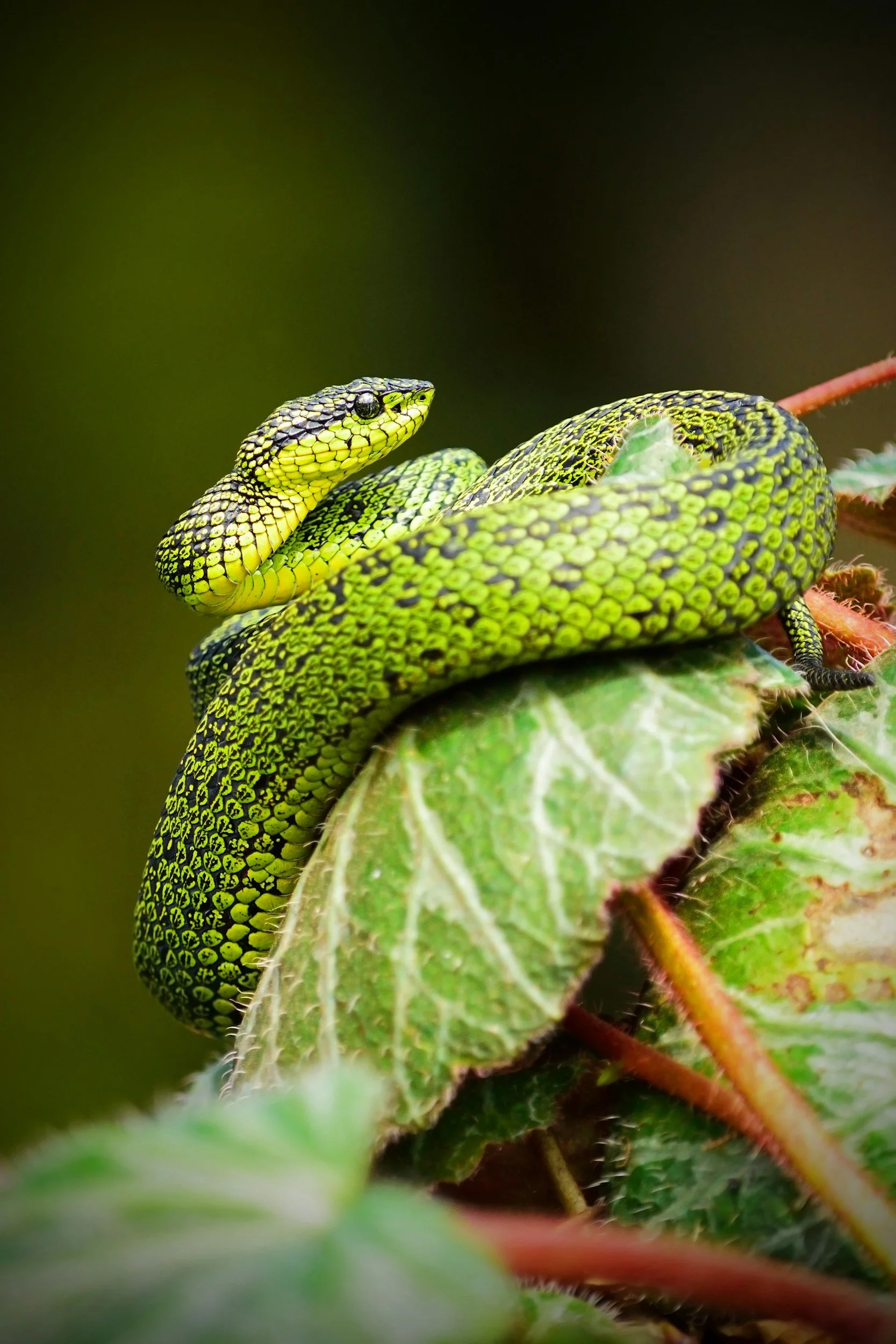
A participant on a jungle trek is crossing a small stream when they suddenly feel a sharp pain on their lower leg. Witnesses observe a snake with distinctive triangular head markings slithering away—a characteristic of a local pit viper. The participant experiences immediate swelling and significant pain around the bite site.
The team must act quickly to stabilize the victim and arrange an evacuation to higher medical care. Note that this scenario mentions 'consulting local guidelines.' this is due to the complex nature of venoms and the differing species in various regions. It is of high importance to research local species and recommended treatment guidelines for best success.
IMMEDIATE STEPS
-
Move the participant and the rest of the group away from the snake’s vicinity to avoid additional bites.
Do not attempt to catch or kill the snake; note its physical characteristics if possible to assist with identification.
-
Encourage the patient to lie down or sit, keeping the bitten limb still and below heart level (if pain allows).
Excessive movement can increase venom circulation.
-
Gently remove watches, rings, or tight clothing near the bite site to prevent complications if swelling occurs.
-
Rinse the bite area with clean water or mild antiseptic if available, without aggressively scrubbing.
Do not apply ice, cut the wound, or attempt to suck out venom.
-
Some protocols advise a pressure bandage (e.g., for certain neurotoxic bites) to slow venom spread.
For cytotoxic species (common with pit vipers), avoid a tourniquet or overly tight bandage. Seek local guidelines.
-
Track the patient’s heart rate, breathing, and level of consciousness.
Monitor the bite site for increased swelling, discoloration, or bleeding.
FOLLOW-UP TREATMENT
Evacuation to Definitive Care
Begin arranging immediate transport via foot, 4x4, boat, or helicopter (depending on resources and terrain).
During longer evacuation, manage pain with approved analgesics and continue vital-sign checks.
Anti-venom Administration
At the hospital or appropriate medical facility, doctors may administer antivenom specific to the snake type.
Alert staff regarding the suspected species based on observations (coloration, shape of head, local prevalence).
Allergic Reactions & Secondary Complications
Watch for signs of anaphylaxis (hives, wheezing, severe swelling). If present, administer epinephrine (e.g., via auto-injector) and continue emergency care.
Patients may require antibiotics if there is evidence of infection, especially in humid jungle conditions where wound contamination is more likely.
Long-Term Care
Venomous snakebites can lead to tissue damage. The patient may need wound management, physiotherapy, or follow-up surgeries.
Ensure proper rest and monitor for late-onset complications like bleeding disorders or infection.
REFERENCES
IAJG Jungle Guide Manual – Sections on “Key Hazards” and “Medical Preparedness,” for guidelines on snakebite protocols in tropical forests.
IAJG Jungle First Aid Manual - Snake Bite Protocols.
Wilderness Medical Society (WMS) – Practice guidelines on snake envenomation management in remote settings.
World Health Organization (WHO) – “Guidelines for the Management of Snakebites,” particularly relevant for tropical regions.
Centers for Disease Control and Prevention (CDC) – Basic first-aid measures and advice for travelers in snake-endemic areas.
SUMMARY
This lesson emphasizes the importance of thorough participant screening to identify potential health risks and establish customized contingency plans. Open communication about medication, prophylaxis, and immunizations helps ensure everyone’s well-being. By proactively planning for chronic conditions, such as diabetes or asthma, guides can significantly reduce the likelihood of medical crises and better manage emergencies if they arise.
