The Long View
Howard, Diane, and the Living Story of Seahorse Point
On a quiet peninsula in Panama's Bocas del Toro archipelago, Howard and Diane have spent years proving that restoring nature is about far more than planting trees or protecting wildlife. At Seahorse Point, science, education, and community have come together to create something far greater than a nature reserve - they have created a living classroom for the future.
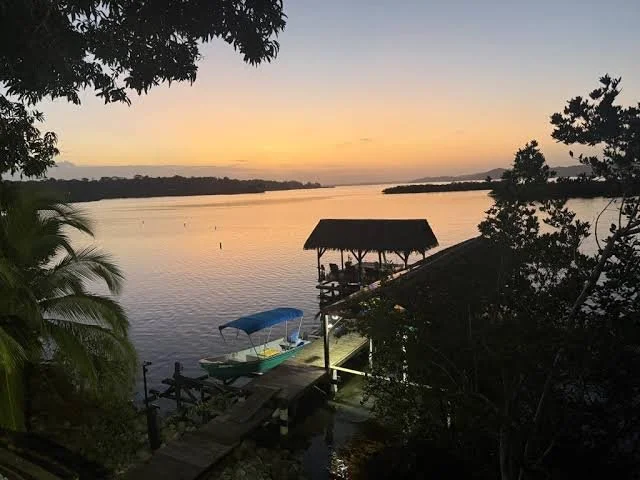
Image: View from main accommodation building looking out into the Bocas Del Toro Archipelago - Seahorse Point Nature Reserve
The first thing visitors notice at Seahorse Point is its beauty.
Rainforest tumbles down to the Caribbean Sea, where mangrove forests give way to seagrass meadows before disappearing beneath turquoise water towards coral reefs offshore. Howler monkeys announce the dawn from the forest canopy while herons stalk the shallows below. It feels like one of those rare places where nature still thrives.
Howard and Diane hope people notice something else. They want them to see the connections. "The beach isn't just sand," Howard says. "It's the end product of a healthy reef somewhere offshore. Clear water isn't simply beautiful - it tells you something about what's happening upstream."
Spend a few hours walking the trails with him and it quickly becomes impossible to see the landscape in quite the same way again. Every stream, every mangrove, every patch of seagrass is part of a much larger story. The forest shapes the sea. The sea sustains the forest. Nothing exists in isolation.
That philosophy lies at the heart of everything Howard and Diane have built at Seahorse Point.
It is why they left successful careers, spent years sailing the world's oceans, chose to restore a neglected stretch of Caribbean coastline, and why they are now helping educate the next generation of conservationists, scientists and professional jungle guides.
For them, conservation has never been about protecting a place. It has always been about understanding how that place works.
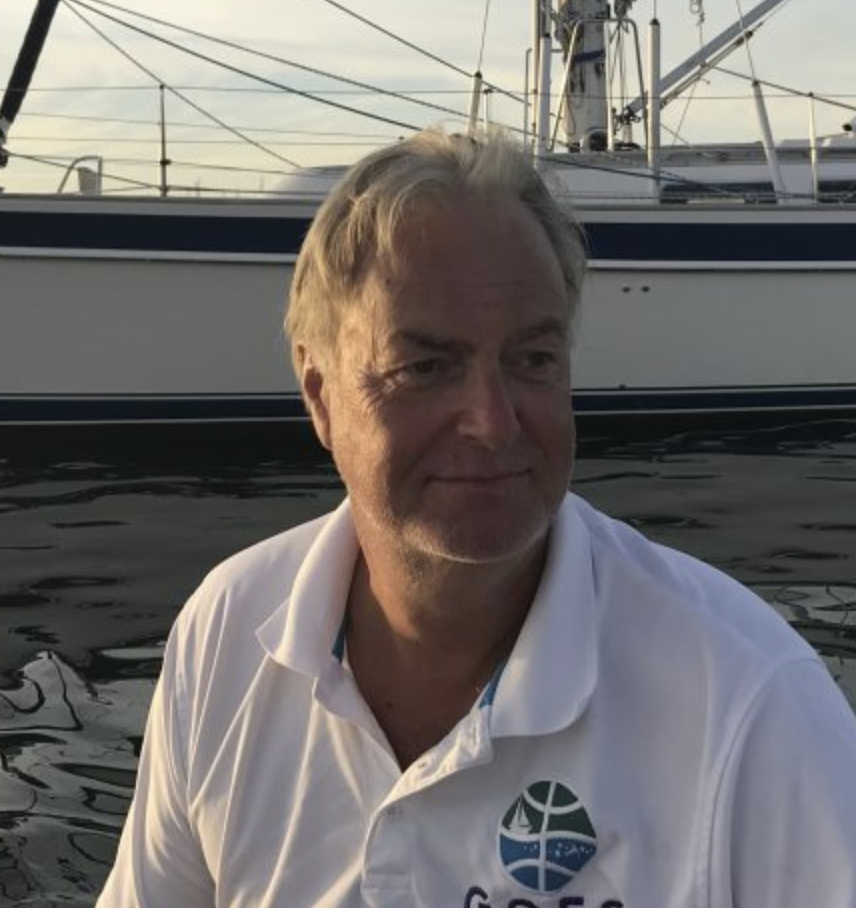
Image: Howard. Note their Hallberg-Rassy sailboat in view. Seahorse Point Nature Reserve.
A Scientist's Journey
Ask Howard how he would describe himself and his answer comes without hesitation.
"Scientist, first and always."
Everything else, he says - the sailing, the conservation work, even the practical skills needed to restore a rainforest - has simply been another way of answering scientific questions. For years, Howard studied marine ecosystems around the world, publishing research and contributing to our understanding of how oceans function. Yet the longer he worked within traditional scientific institutions, the more frustrated he became.
The evidence was becoming increasingly clear. Ecosystems were changing. But meaningful action often seemed painfully slow.
"I reached the point where I had to ask whether I wanted to spend the rest of my career writing papers that only a handful of people would read," he says, "or actually build something that could demonstrate another way forward." That decision changed everything. Together, Howard and Diane stepped away from the conventional path and began searching for a place where they could put decades of scientific understanding into practice.
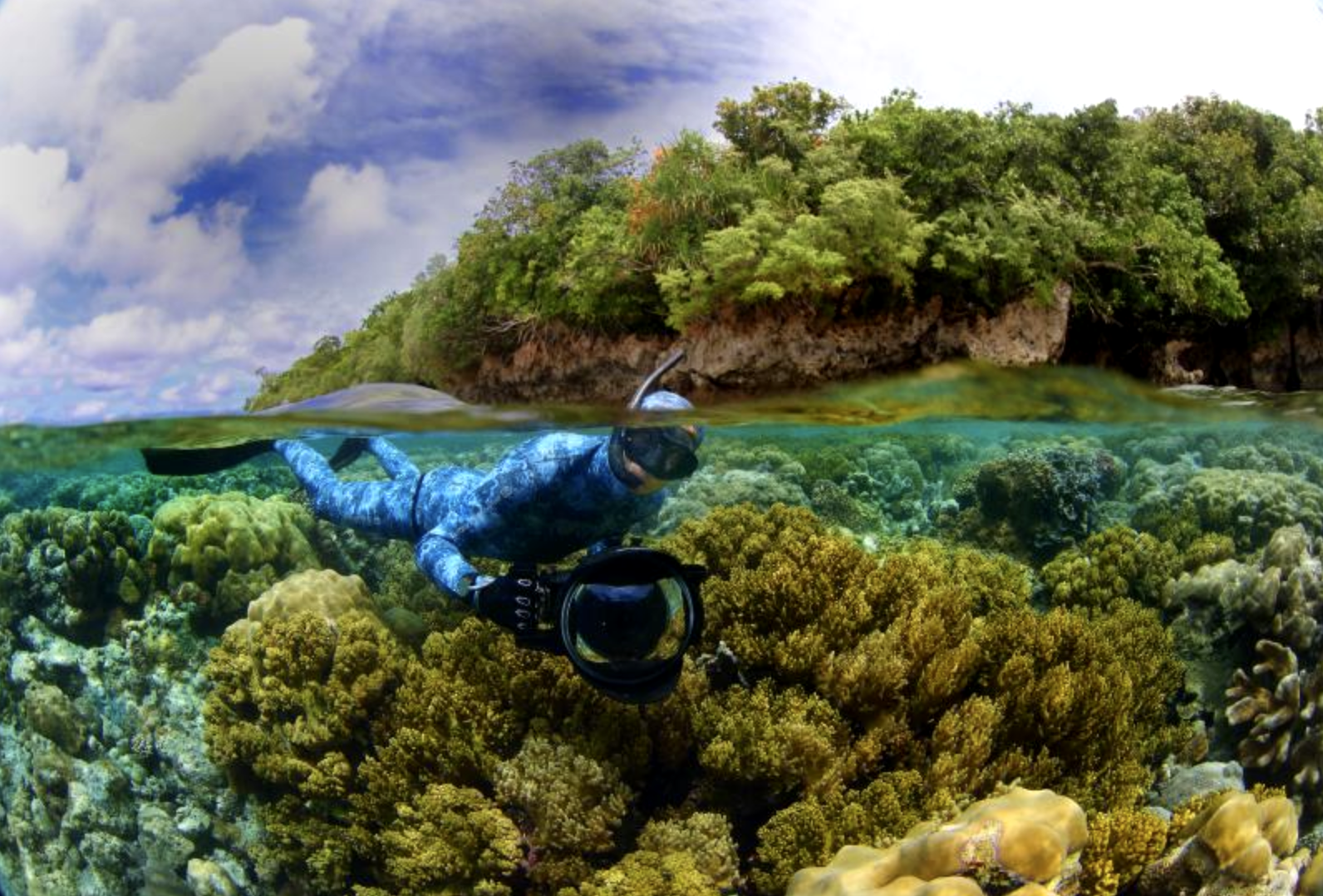
Image: Data gathering on one of the many reefs within the Bocas Del Toro archipelago. Seahorse Point Nature Reserve.
Lessons from the Sea
Long before Seahorse Point existed, Howard and Diane spent years living aboard a sailing boat, crossing oceans at a pace few scientists ever experience. Life at sea taught them patience. Unlike research vessels working to strict schedules, a small yacht could remain anchored in one place for weeks. They watched reefs through changing tides, seasons and weather, slowly building an understanding that no short scientific expedition could provide.
Wherever they travelled, one pattern appeared again and again. Healthy ecosystems were remarkably resilient. Places rich in biodiversity recovered from storms, adapted to change and continued supporting abundant wildlife. Where biodiversity had been stripped away through pollution, overfishing or habitat destruction, that resilience quickly disappeared.
“You don’t understand the ocean from a lecture theatre, you understand it from watching it, year after year, from the deck of a small boat.”
Those years also exposed another reality. While much of the global conversation focused on carbon emissions, Howard's observations increasingly pointed towards a broader problem.
"Carbon matters," he explains. "But when you look closely at what's happening in coastal ecosystems - chemical pollution, biodiversity loss, habitat destruction and declining water quality - carbon is only part of the picture."
Healthy ecosystems, he believes, are not simply victims of climate change. They are part of the solution.
Mangroves, seagrass meadows and intact coastal forests store enormous amounts of carbon while filtering water, protecting coastlines and supporting fisheries.
Lose those ecosystems and we lose far more than individual species - we weaken the natural systems that help stabilize the planet itself.
That belief would become the foundation upon which Seahorse Point was built.
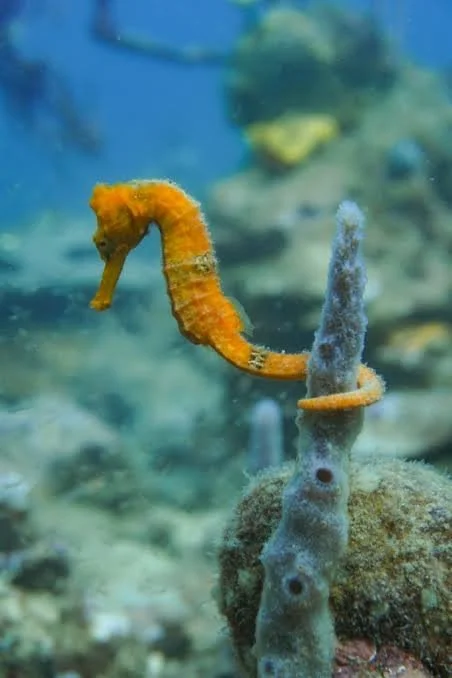
Image: A Seahorse photographed in the Bocas Del Toro Archipelago. Seahorse Point Nature Reserve.
Seeing Potential
When Howard and Diane first visited the property that would become Seahorse Point, many people saw little more than degraded land. Sections of forest had been cleared decades earlier. Parts of the shoreline had accumulated rubbish. The landscape had clearly been altered by years of human activity.
Howard saw something very different. "I saw a degraded system with an intact seed bank." To a scientist, that distinction matters enormously.
A damaged ecosystem is not necessarily a dead one. The soils remained healthy. Mangroves continued protecting the shoreline. Offshore seagrass meadows, though diminished, had survived. The ecological foundations were still there.
Then came the discovery that confirmed everything. During one of his first surveys, Howard found a seahorse living amongst the seagrass just offshore. Seahorses are highly sensitive to changes in water quality and habitat. Their presence suggested the ecosystem retained far more life than its outward appearance implied.
The reserve would eventually take its name from that single observation. For Howard, the seahorse represented something more than a beautiful marine animal. It represented hope.
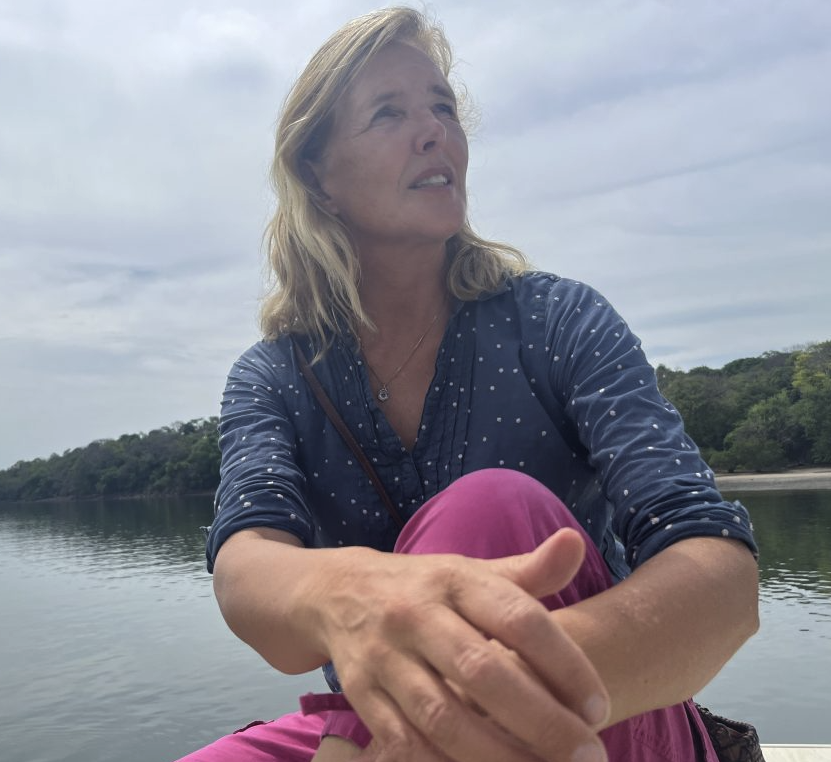
Image: Diane, out on the water. Seahorse Point Nature Reserve.
Building Together
Howard is quick to point out that Seahorse Point was never his project alone. If he provided the scientific vision, Diane made it possible.
"She's better with people than I am," he says. It is a comment he returns to repeatedly.
While Howard focused on research, restoration and ecology, Diane became the person who built relationships - with visitors, neighbouring communities, students and volunteers. She helped ensure Seahorse Point became more than a research station. It became a place where people felt welcome to learn.
Today, visiting scientists work alongside school groups. International volunteers share meals with local families. Conversations move easily between researchers, guides and fishermen.
That atmosphere did not happen by chance. It grew from Diane's belief that conservation only succeeds when people genuinely feel part of it.
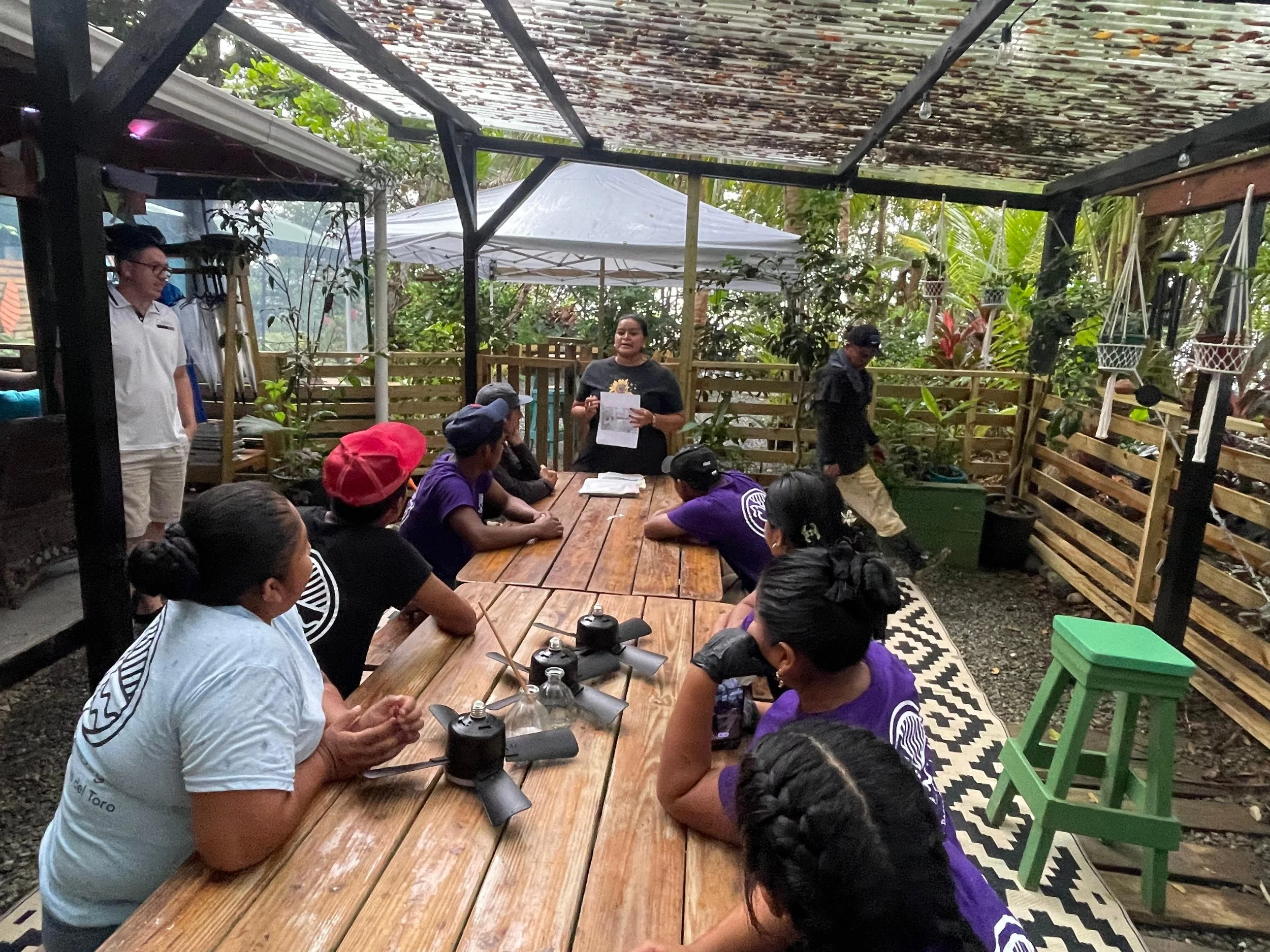
Image: Local staff teaching local students - Classroom time at Seahorse Point Nature Reserve.
Learning from the Ngäbe
Perhaps the greatest lesson learned since arriving in Panama came not from scientific equipment, but from conversations.
Local Ngäbe fishermen spoke about species that had disappeared from certain bays decades earlier.
They described seasonal changes, spawning grounds and wildlife behaviour with remarkable accuracy.
At first, Howard viewed these observations as useful local knowledge. Eventually, he realized they were something far more valuable. They were long-term ecological datasets.
"I've learned to treat that testimony with the same rigour I'd apply to a published dataset," he says. "Very often it's more accurate."
That realization fundamentally changed the way research is conducted at Seahorse Point.
Community members now contribute directly to ecological surveys. Local observations help shape scientific questions. Traditional ecological knowledge is treated not as folklore, but as evidence gathered over generations of careful observation.
Howard now describes many of his Ngäbe colleagues as co-researchers.
Not assistants. Not guides. Co-researchers.
For him, genuine conservation begins the moment science stops talking to communities and starts working alongside them.
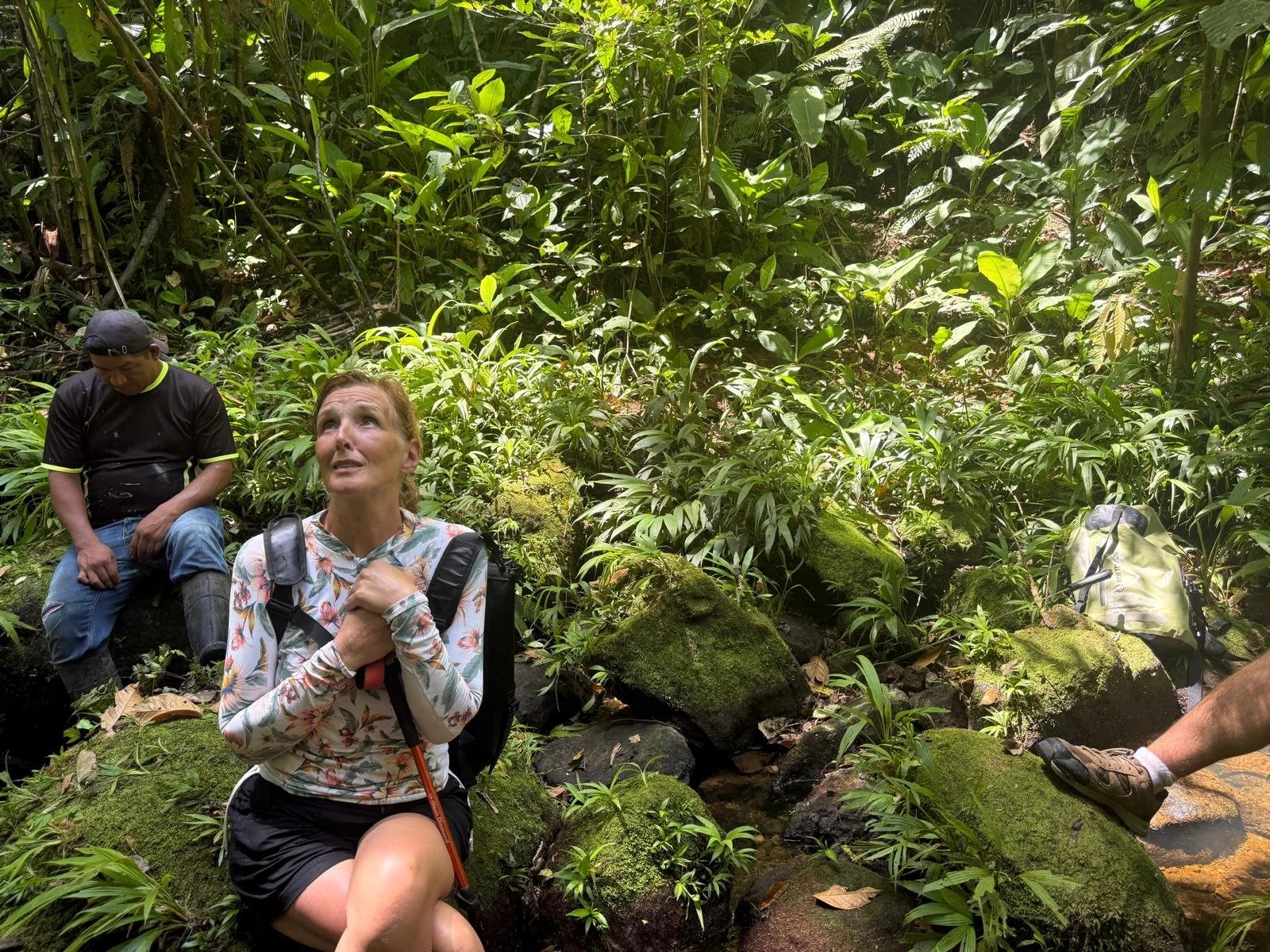
Image: Diane out exploring with nature reserve staff in the Bastimentos Island wilderness. Seahorse Point Nature Reserve.
Reading the Landscape
One this duos greatest strengths is helping people see what has always been there. A stream becomes more than flowing water. A mangrove becomes a nursery for marine life. A patch of seagrass becomes one of the Caribbean's most important ecosystems.
Visitors often arrive hoping to photograph wildlife. They leave understanding watersheds.
For Diane, watching that transformation never grows old.
She has seen children discover a fascination for creatures they had never noticed before. Visitors who came looking for tropical scenery leave discussing biodiversity, water quality and ecological restoration over dinner.
Education, she believes, is one of conservation's most powerful tools. People protect what they understand.
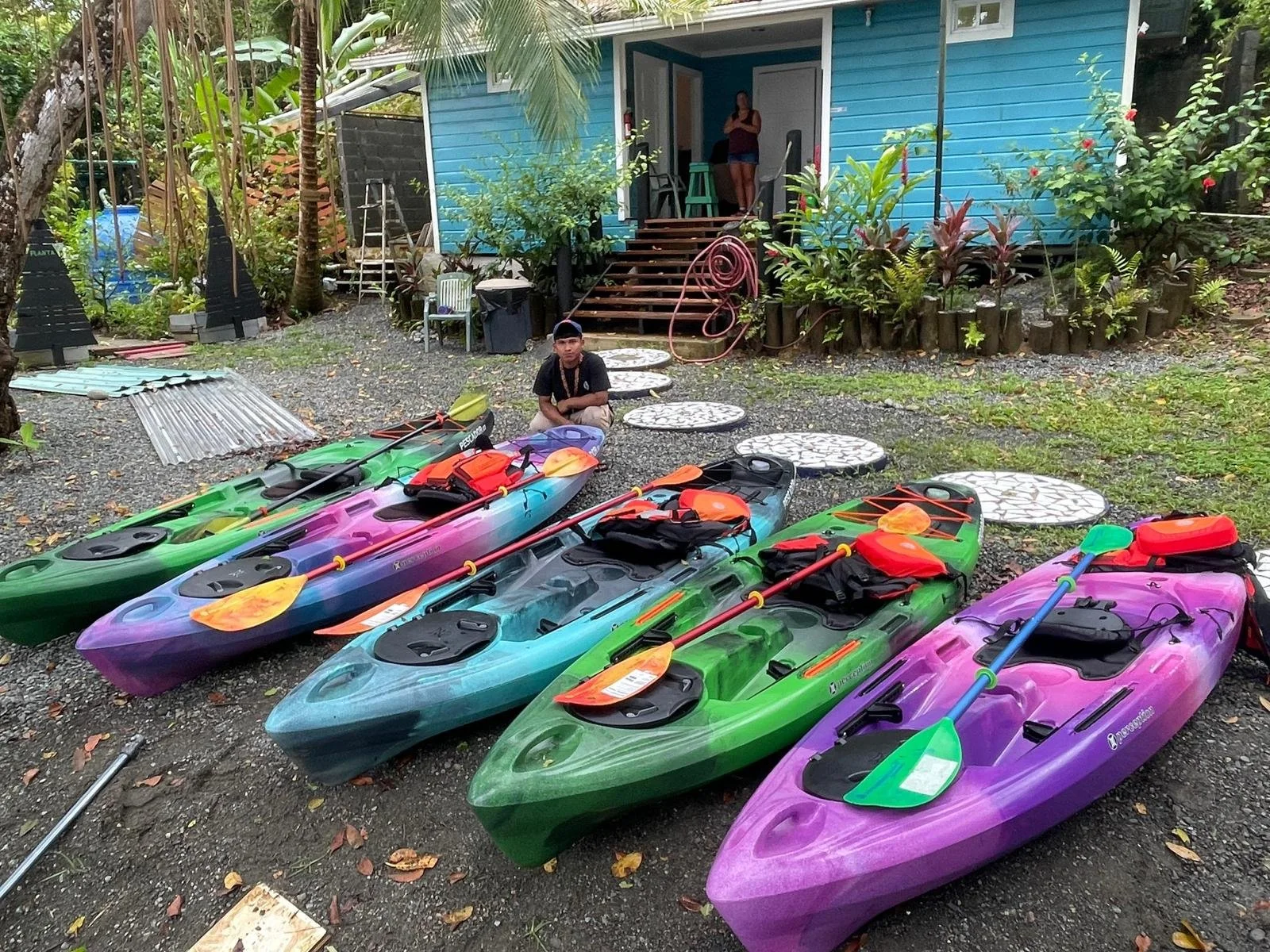
Image: Seahorse Point Nature Reserve guide showcasing their selection of recently purchased kayaks.
Why Professional Guides Matter
This philosophy naturally led Howard and Diane to support the International Association of Jungle Guides and its professional training programmes.
Howard believes guides occupy one of conservation's most important and often overlooked roles.
Scientists may visit an ecosystem for weeks. Guides spend years within it. They notice flowering seasons, changing bird populations, unusual animal behaviour and subtle shifts that visiting researchers may never see.
"They're already collecting data," Howard says. "Most just don't realize its scientific value."
A professionally trained guide is far more than someone who leads visitors through the forest. They become interpreters, educators and, potentially, one of conservation's most valuable monitoring networks.
By combining traditional knowledge with structured ecological training, Howard believes local guides can become extraordinary ambassadors for both science and conservation.
That is one of the reasons Seahorse Point is becoming a training location for future professional jungle guides. Here, participants do more than learn species names. They learn to read an ecosystem.
Looking Forward
Ask Howard what success means today and his answer is very different from the one he might have given twenty years ago.
Once, success meant publishing another scientific paper. Today, success looks like a juvenile shark returning to a nursery area where local residents cannot remember seeing breeding activity in living memory. It is a graph showing seagrass densities increasing year after year. It is a local guide confidently explaining ecological relationships to visitors. It is a child asking thoughtful questions after spending a day exploring the forest.
Looking ahead, Howard hopes Seahorse Point becomes one of Panama's important long-term ecological monitoring sites, generating decades of scientific data while training future generations of Panamanian scientists, Ngäbe researchers and professional guides.
Diane hopes it continues to inspire people from around the world to care more deeply about the natural systems that sustain us all.
When asked what he hopes people will say about Seahorse Point fifty years from now, Howard answers with characteristic simplicity.
"I hope they say the data held up."
It is a wonderfully scientific answer, but it also says everything about the couple behind this remarkable place.
If the data holds up, it means the forests recovered.
It means the reefs remained healthy.
It means wildlife returned.
It means local communities became partners in conservation rather than spectators.
It means science and traditional knowledge proved stronger together than either could have been alone.
Most importantly, it means future generations inherited not just a healthier landscape, but a better understanding of how to protect it.
That is the quiet legacy Howard and Diane are building at Seahorse Point.
Not simply a nature reserve.
Not merely a research station.
But a place that teaches people to see the living connections that bind forests, oceans and communities together—and reminds us that when those connections are restored, nature has an extraordinary capacity to heal.

