Moritz Katz - Seeing the Wild with Patience
This week we sat down with Moritz Katz, a renowned and multiple award winning wildlife filmmaker, biologist, and cinematographer whose work has carried audiences into rainforests, wetlands, remote islands, and some of the most quietly fragile ecosystems left on Earth. If your into watching wildlife and nature documentaries, you’ve almost definitely seen his work.
Now based in Tokyo, Moritz works globally as a cameraman, director, editor, and researcher, crafting films that resist spectacle and speed. Instead, his work rewards patience, precision, and deep ecological understanding - stories that unfold slowly, revealing the hidden rhythms of life that most cameras never capture.
For Moritz, becoming a wildlife filmmaker was never about adventure for its own sake. It was a gradual, deeply rooted journey - one that began long before he ever picked up a camera, shaped by curiosity, biology, and a lifelong attention to the small, often overlooked details that hold ecosystems together.
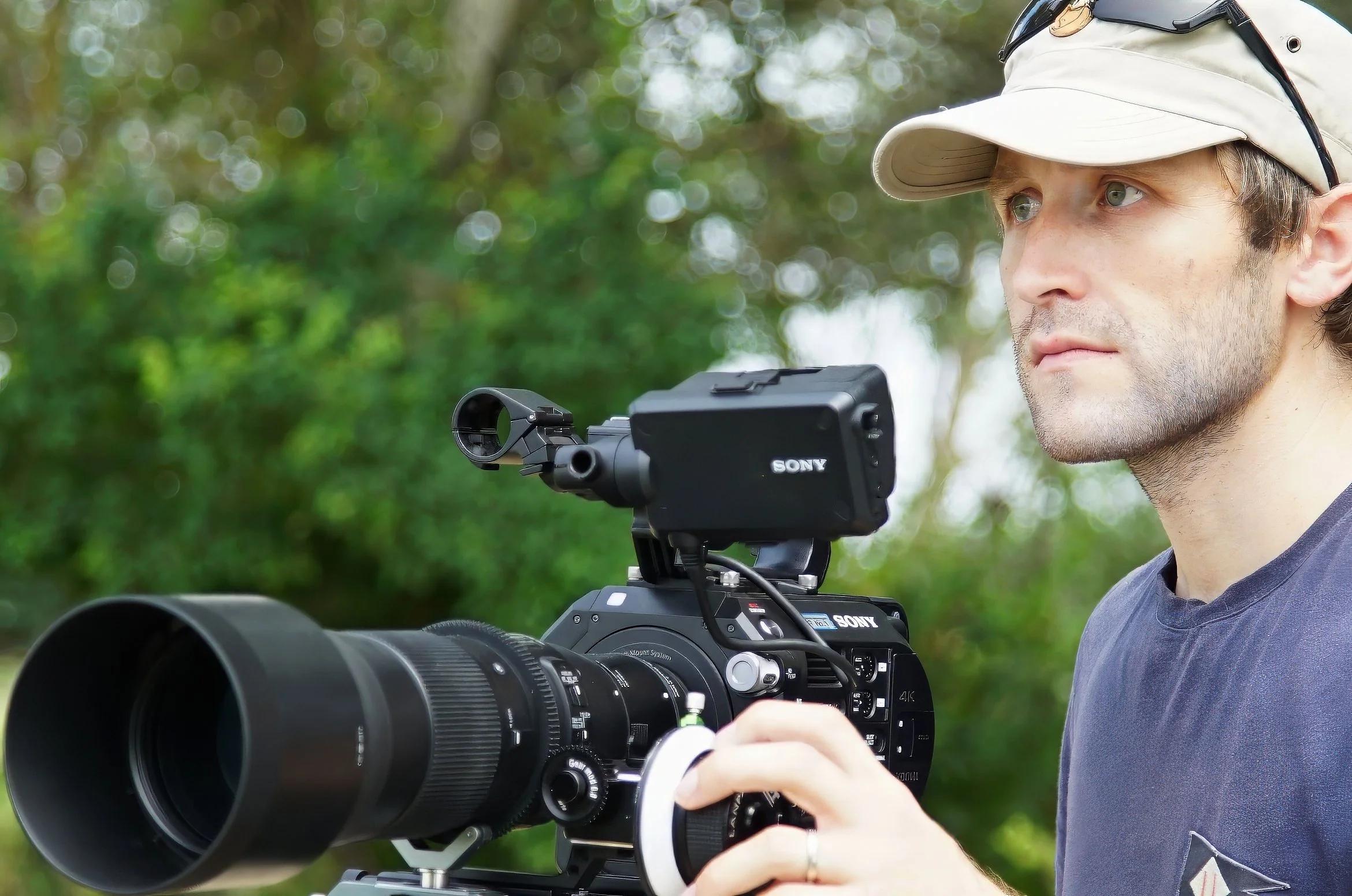
Image: Moritz Katz
A Childhood Shaped by Forests
Moritz’s earliest memories are tied to nature. Growing up in Germany, his fascination with the wild began with simple moments - walking through forests with his grandfather, visiting wildlife enclosures, and learning to observe rather than rush. His grandfather always carried a pocketknife, cutting fresh blackberry branches to feed deer, quietly teaching a respect for animals and their rhythms.
Camping trips and long hikes followed, first across Germany and later around the world, from Eastern Europe to Alaska. His family owned a television relatively late, and screen time was limited - except for one important exception: wildlife films. Those documentaries became Moritz’s window into distant worlds, planting a seed that, at the time, felt more like a dream than a future career.
Looking back now, the idea that he would one day create those same kinds of films still feels unreal to him.
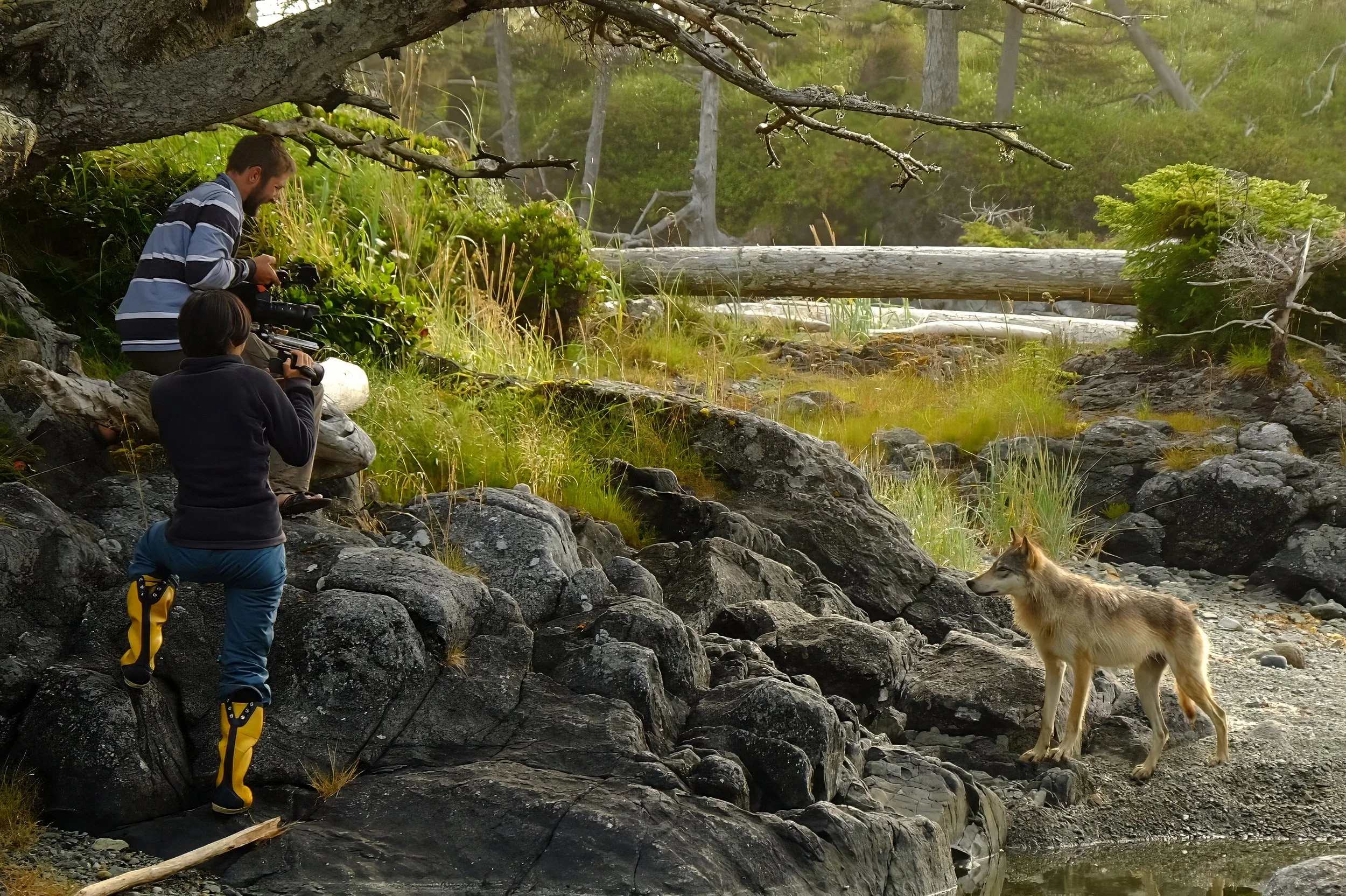
Image: Filming Wolves, Canadian West Coast. Moritz Katz.
From Biology to the Rainforest
Moritz initially chose biology as his path, drawn to understanding animals not just emotionally, but scientifically. Toward the end of his studies, he specialized in tropical biology and animal behavior. A planned internship in West Africa fell apart due to civil unrest, forcing him to look elsewhere - a setback that quietly changed everything.
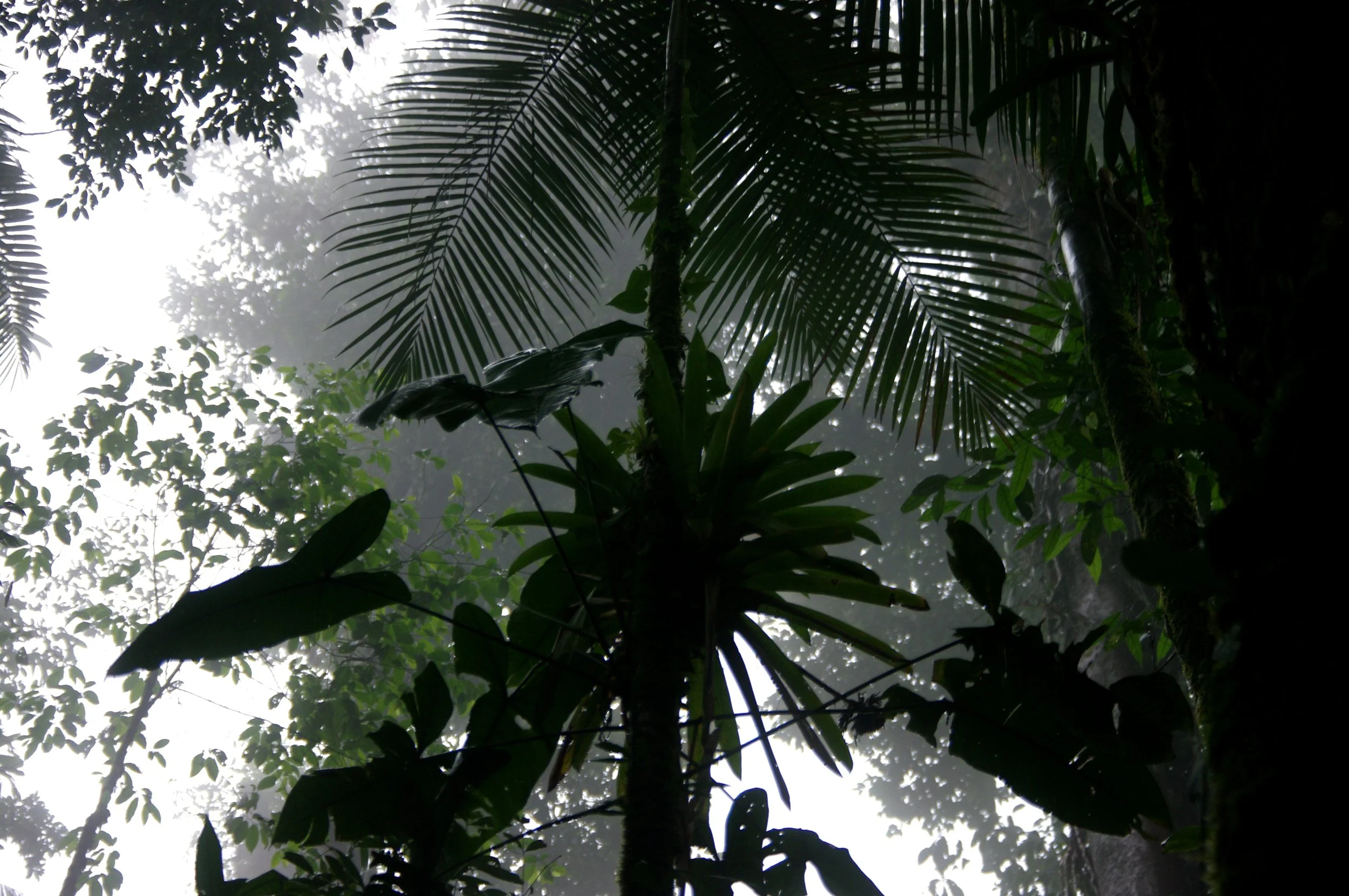
He eventually found his way to Costa Rica, spending six weeks at a tropical research station studying an endemic bird species. Days began before sunrise, deep in the rainforest while the world was still waking up. Morning mist, layered birdsong, and overwhelming biodiversity left a lasting impression.
At one point, Moritz and a station researcher built a small hide near a nest to observe breeding behavior. Sitting there, camera-less but fully immersed, he realized that the work of a wildlife filmmaker closely mirrored that of a field biologist - patience, observation, humility - but with the ability to reach far more people.
From that moment on, it became clear: if he wasn’t going to spend his life generating scientific data, he would dedicate himself to translating it.
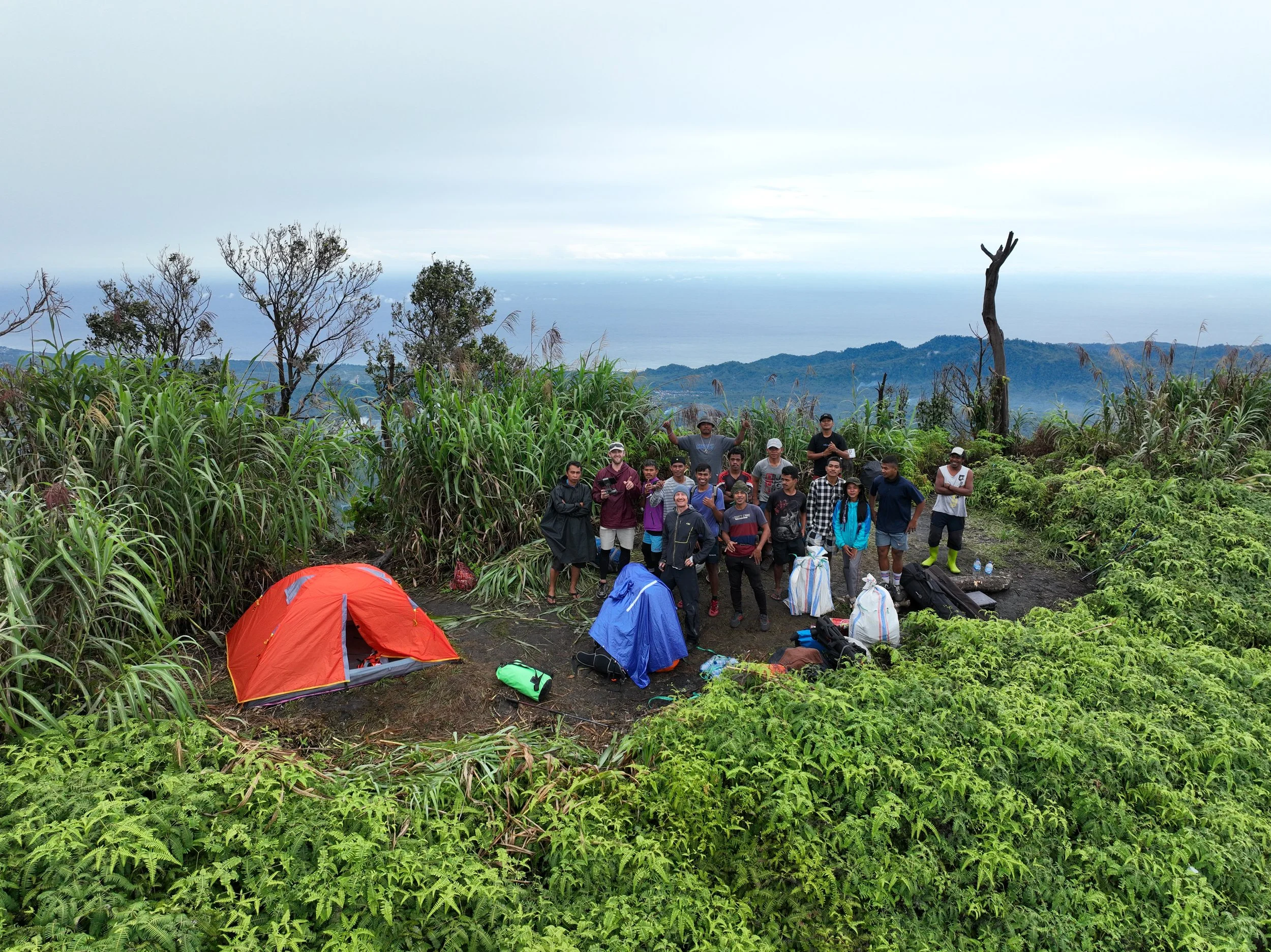
Image: Moritz and crew at work on location in Indonesia. Moritz Katz.
Film as a Bridge Between Science and Society
Moritz’s scientific background continues to shape every aspect of his filmmaking. Understanding animal behavior is not optional in his line of work — it is foundational. Knowing when to use a hide, when to remain visible, how wind direction affects wolves, or why certain birds react badly to camouflage structures can mean the difference between an authentic sequence and a failed shoot.
Large broadcasters such as BBC, ZDF, Doclights, NHK, and National Geographic demand scientific accuracy, often requiring direct consultation with researchers or published studies. Moritz thrives in this space, acting as a bridge between scientists, local experts, and global audiences.
While science aims to discover new knowledge, Moritz sees filmmaking as an act of translation - turning complexity into understanding, without losing truth.
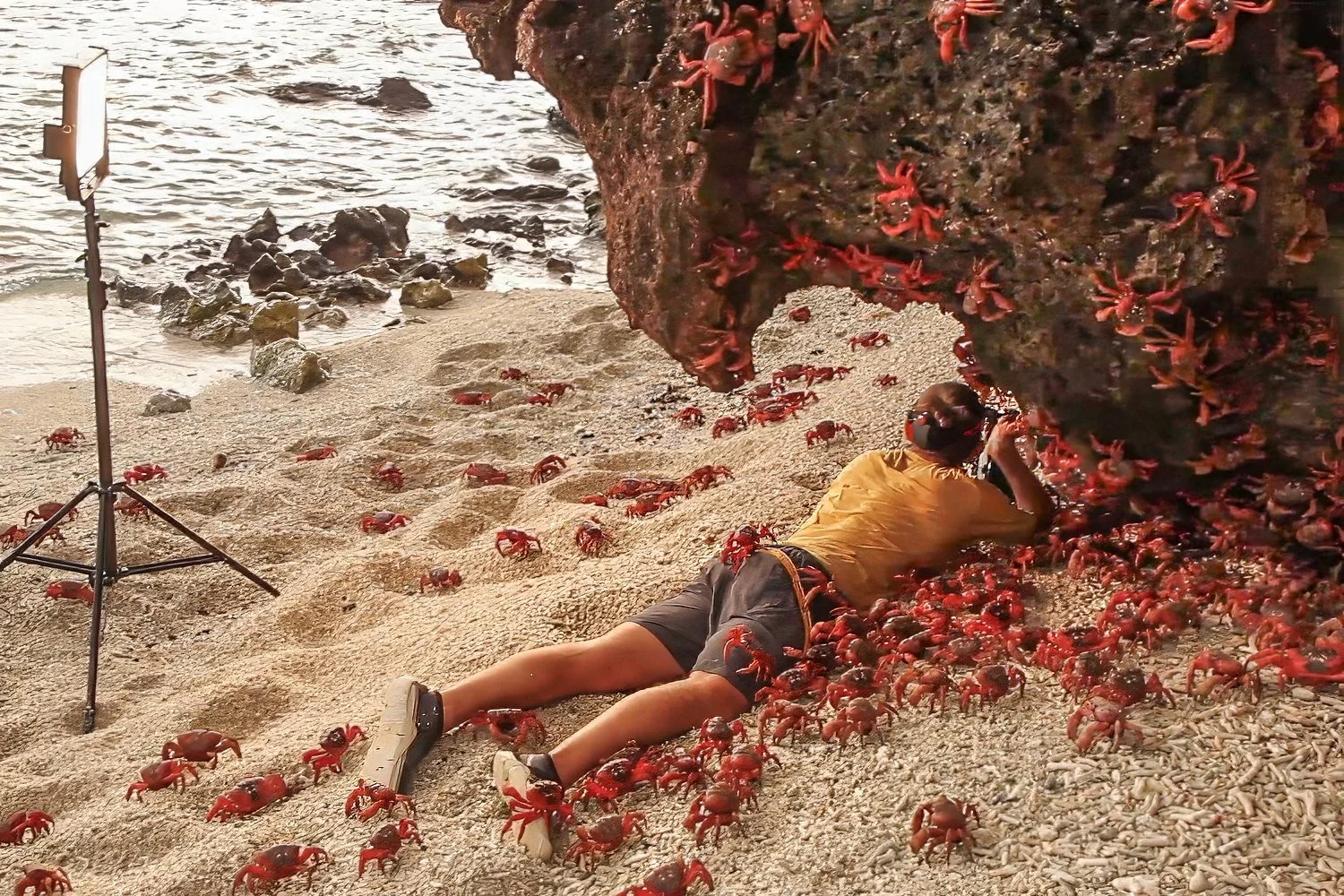
Image: Behind the scenes photo of Moritz on location in Christmas Island - The Realm of the Robber. Moritz Katz.
Life in Remote Places
Much of Moritz’s work unfolds far from cities, often over long stretches of time. Film crews are rarely alone, relying heavily on assistants, local guides, rangers, porters, and researchers. These teams become temporary families, bonded by shared challenges, long waits, and moments of rare success.
Despite his comfort with solitude, the lifestyle comes with personal costs. Moritz is now a father of two, and long absences are never easy. His wife, also part of the wildlife film industry, understands the demands - but the balance remains delicate.
Living close to nature has changed how Moritz views modern life. After weeks without hot showers, privacy, or fresh meals, everyday comforts feel extraordinary. More importantly, witnessing the constant struggle for survival in the wild has shattered any illusion that nature is gentle. For animals, even minor injuries can be fatal - a stark contrast to the safety bubble humans often take for granted.
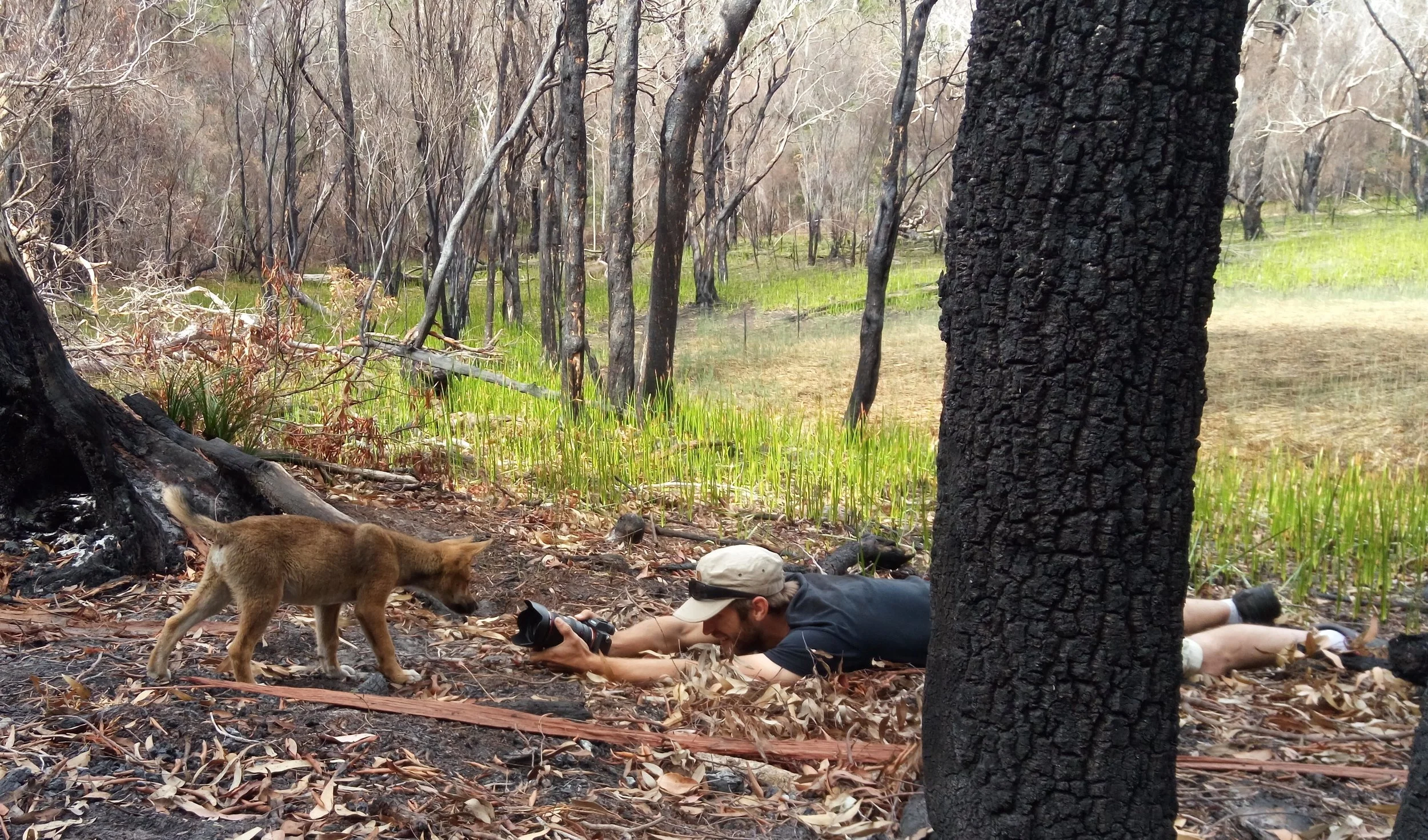
Image: Behind the scenes - Dingo Pup, Fraser Island - A Family’s Bond: Dingoes. Moritz Katz.
Iriomote and the Power of Quiet Stories
Moritz’s film Iriomote - The Fabric of Life stands out for its stillness. The island, home to ancient forests and a deeply traditional community, demanded a slower pace. With no airport and strict speed limits, Iriomote resists modern urgency. Moritz wanted the film to reflect that - a place where life moves deliberately, and harmony with nature is still possible.
Some of his most meaningful moments there came not while filming images, but while recording sound. In a world increasingly filled with engines and machines, Iriomote offered something rare: true natural silence. Sitting with the microphone, camera off, simply listening, became a reminder of what is quietly disappearing elsewhere.
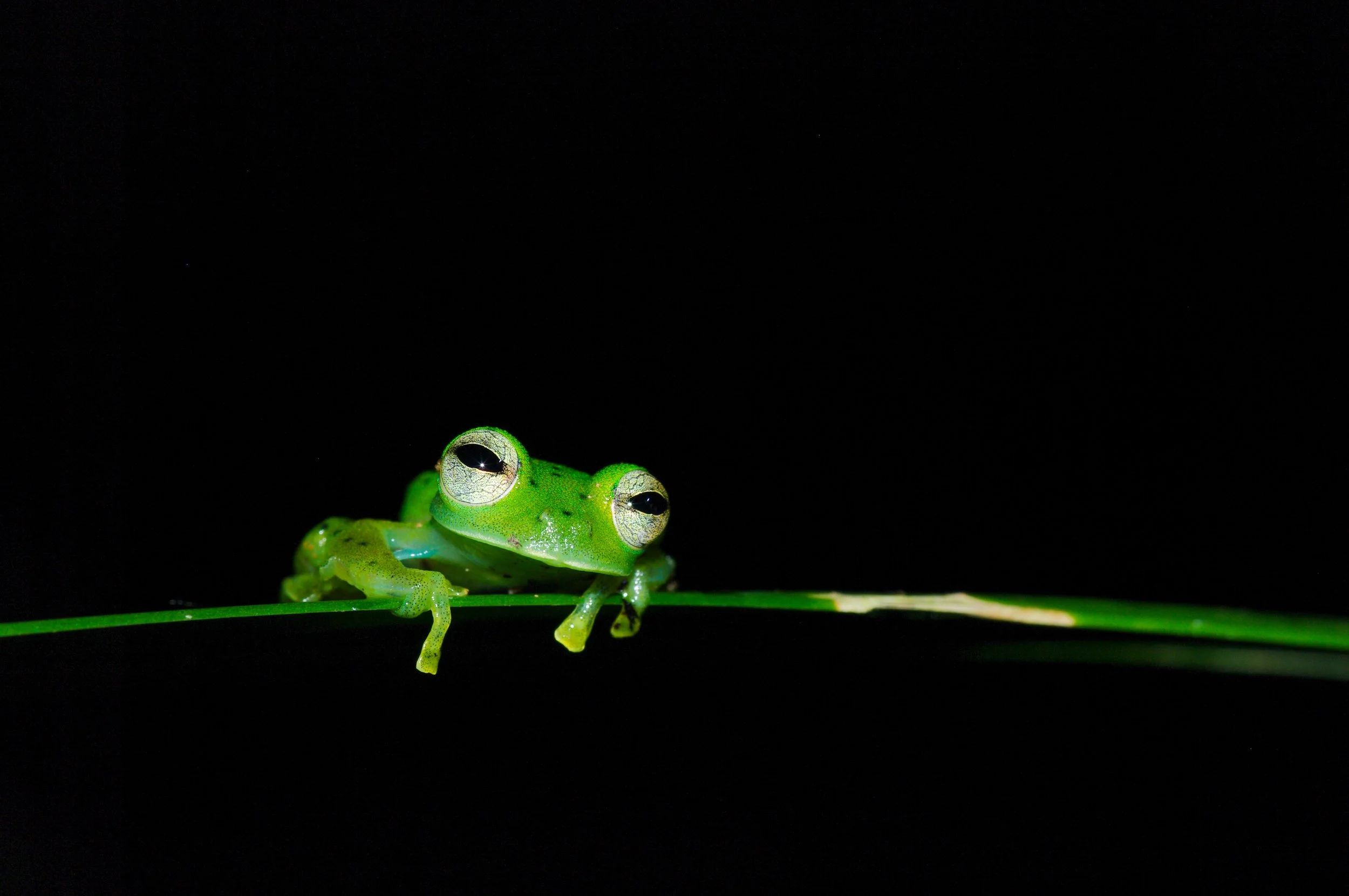
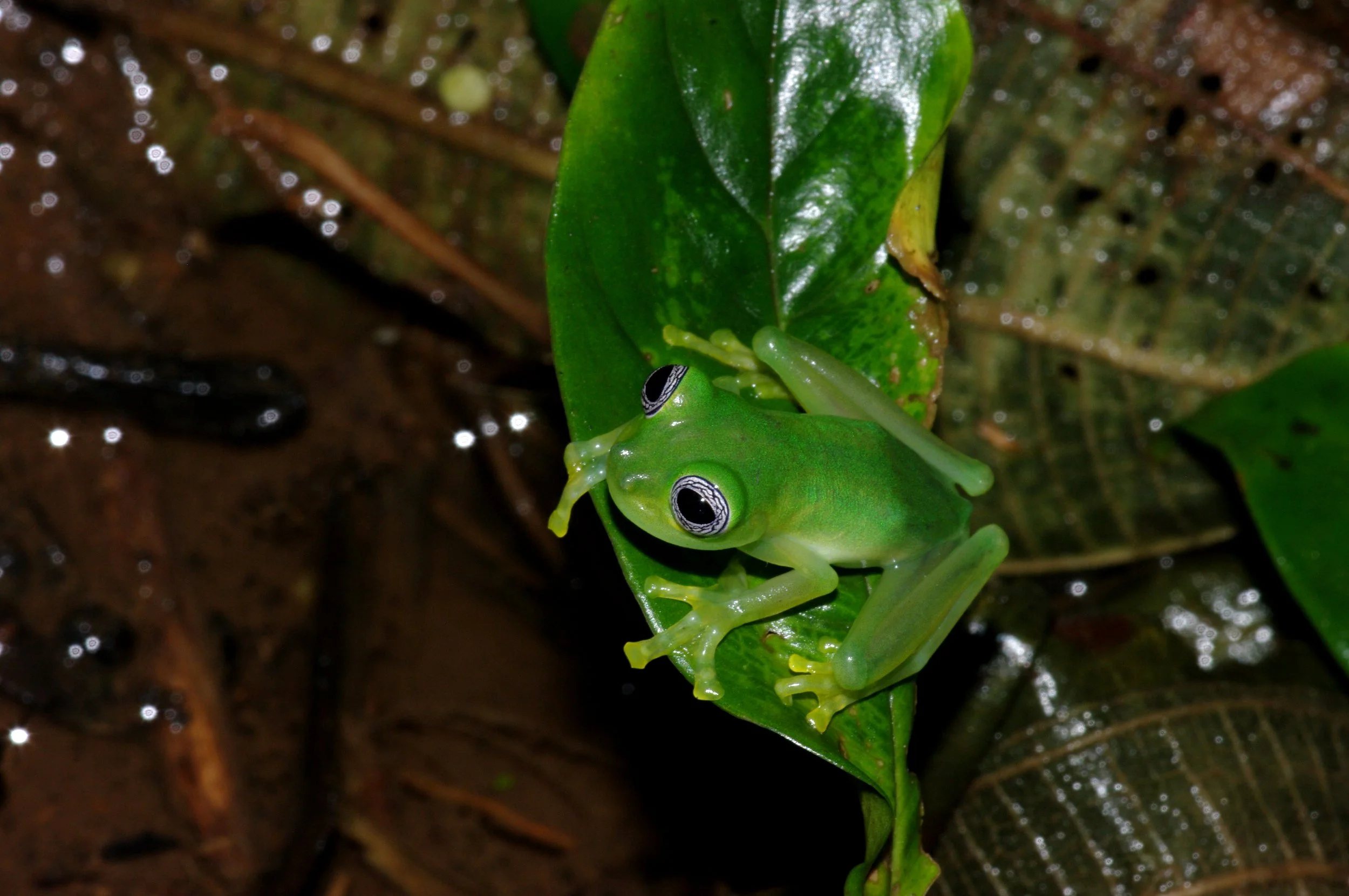
Image: Glass Forg. Mortiz Katz
Ethics, Pressure, and Responsibility
Wildlife filmmaking is often wrapped in romance of endless jungles, rare encounters, and a life spent in wild places. Moritz is quick to dismantle that illusion. He speaks openly about the less visible realities of the profession: freelance uncertainty, complex and shifting permit systems, heavy and fragile equipment, logistical stress, and long stretches without work or income. It is a career built on persistence rather than comfort, and on resilience more than recognition.
The COVID years brought that fragility into sharp focus. Entire field seasons disappeared overnight. Projects that had taken years to plan were canceled or indefinitely postponed. For many filmmakers, it was not just work that vanished, but momentum - the slow, cumulative progress that allows long-form nature stories to exist at all. Moritz describes that period as a stark reminder that even the most carefully built careers in wildlife filmmaking can be undone by forces completely outside one’s control.

Image: Working on location in Japan. Moritz Katz.
Beyond logistics and economics lies a deeper responsibility - an ethical weight that never leaves the field. Animals cannot be directed, repeated, or coerced. Every meaningful image depends on time, restraint, and respect. Moritz is unequivocal here: shortcuts, staged behavior, baiting, or any form of manipulation are not just unethical, they undermine the very purpose of nature storytelling. A shot that compromises an animal’s wellbeing, alters its behavior, or distorts ecological truth is, in his view, not a success - it is a failure.
He emphasizes that integrity in wildlife filmmaking is not always visible on screen, but it is always present behind the camera. Often, the right decision means walking away empty-handed after days or weeks of waiting. It means choosing not to film at all. Those moments, he believes, define a filmmaker more than any award or broadcast credit.
Moritz also reflects honestly on the paradox at the heart of his work. Wildlife filmmakers travel extensively to protect nature, yet contribute to emissions. They raise awareness of fragile places, while knowing that attention can sometimes lead to increased pressure through tourism or exploitation. These contradictions are impossible to ignore.
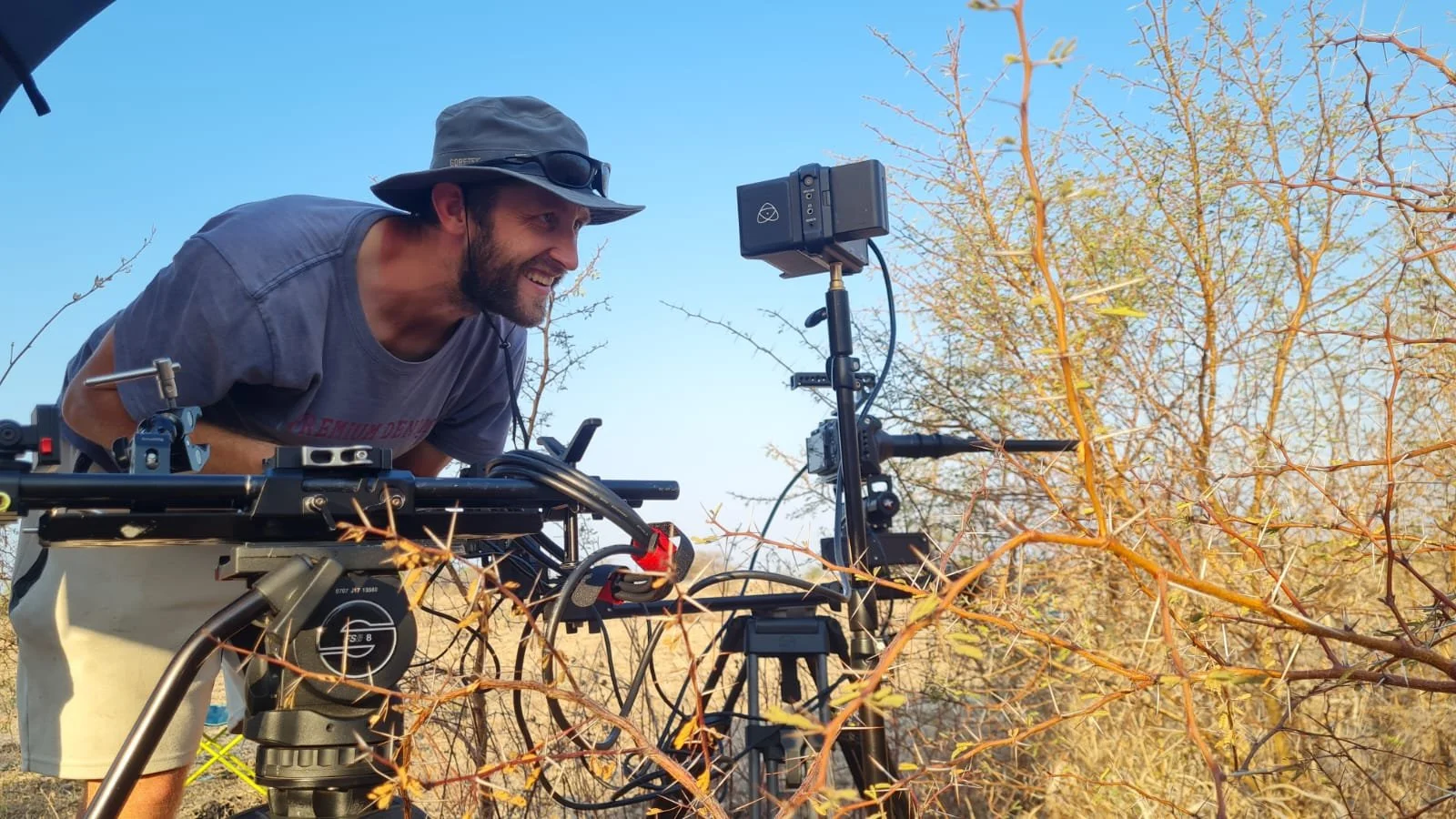
Image: Moritz Katz
The answer, he believes, lies in responsible storytelling - work that does not sensationalize, simplify, or merely alarm. Instead, his goal is to create films that deepen understanding, highlight ecological connections, and point toward solutions rather than despair. By showing not only what is at risk, but why it matters and how it can be protected, he sees filmmaking as a tool for long-term conservation rather than short-term spectacle.
For Moritz, wildlife filmmaking is not about chasing moments. It is about earning them - patiently, ethically, and with full awareness of the responsibility that comes with every frame.
Looking Ahead
Moritz remains deeply motivated by the places he has yet to film; Costa Rica, Namibia, Antarctica, and New Guinea sit high on that list. Each represents not just a destination, but a different ecological story still waiting to be told. For him, these are not boxes to tick, but environments where patience, preparation, and respect will once again be essential.
At the same time, he is increasingly concerned about a growing challenge facing his profession: artificial intelligence. As AI-generated imagery and fabricated animal behavior become more convincing, the line between reality and fiction is beginning to blur. “If audiences can no longer trust what they are seeing,” he warns, “we risk losing something fundamental - credibility.” For Moritz, wildlife filmmaking is built on trust: trust that what unfolds on screen truly happened, and that it happened without manipulation or harm.
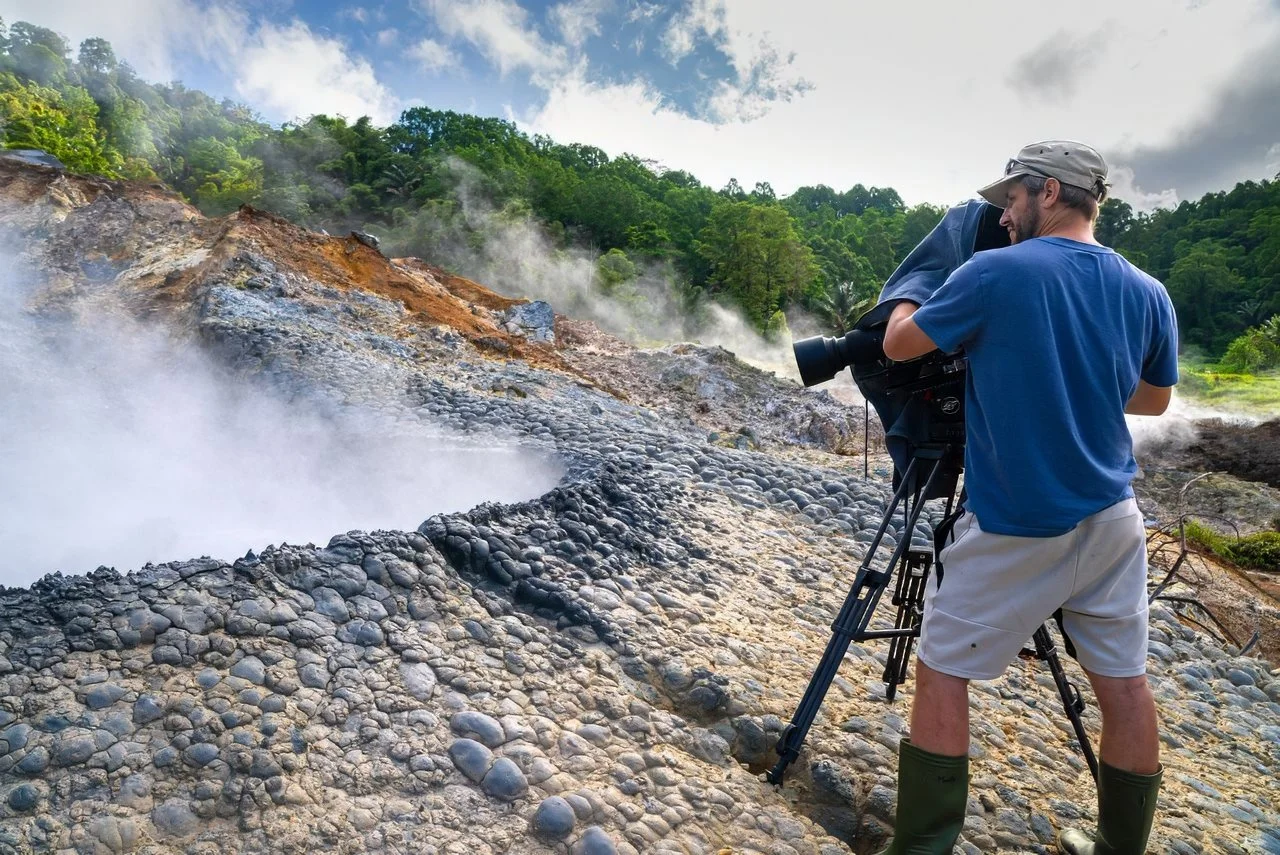
Image: Moritz and mud volcanoes. Moritz Katz.
Despite these challenges, he believes wildlife films are more important now than ever. Not as vehicles for doom or spectacle, but as quiet, powerful tools for connection. “It’s not about overwhelming people with despair,” he says. “It’s about helping them care. Curiosity leads to understanding, and understanding leads to action.”
Alongside his work in the field, Moritz is also beginning to look outward - toward sharing what he has learned. After years spent refining his craft across continents and ecosystems, he is now working toward teaching and passing on his skillset to the next generation of filmmakers and storytellers. For him, education is a natural extension of conservation: knowledge shared is impact multiplied. We will have more to follow on this in the near future.
When asked what he ultimately hopes viewers feel after watching his work, his answer is simple - and deeply personal. He hopes they experience the same sense of awe he felt as a child, sitting in front of a television, discovering the wild for the very first time. That moment of wonder, he believes, is where protection begins.
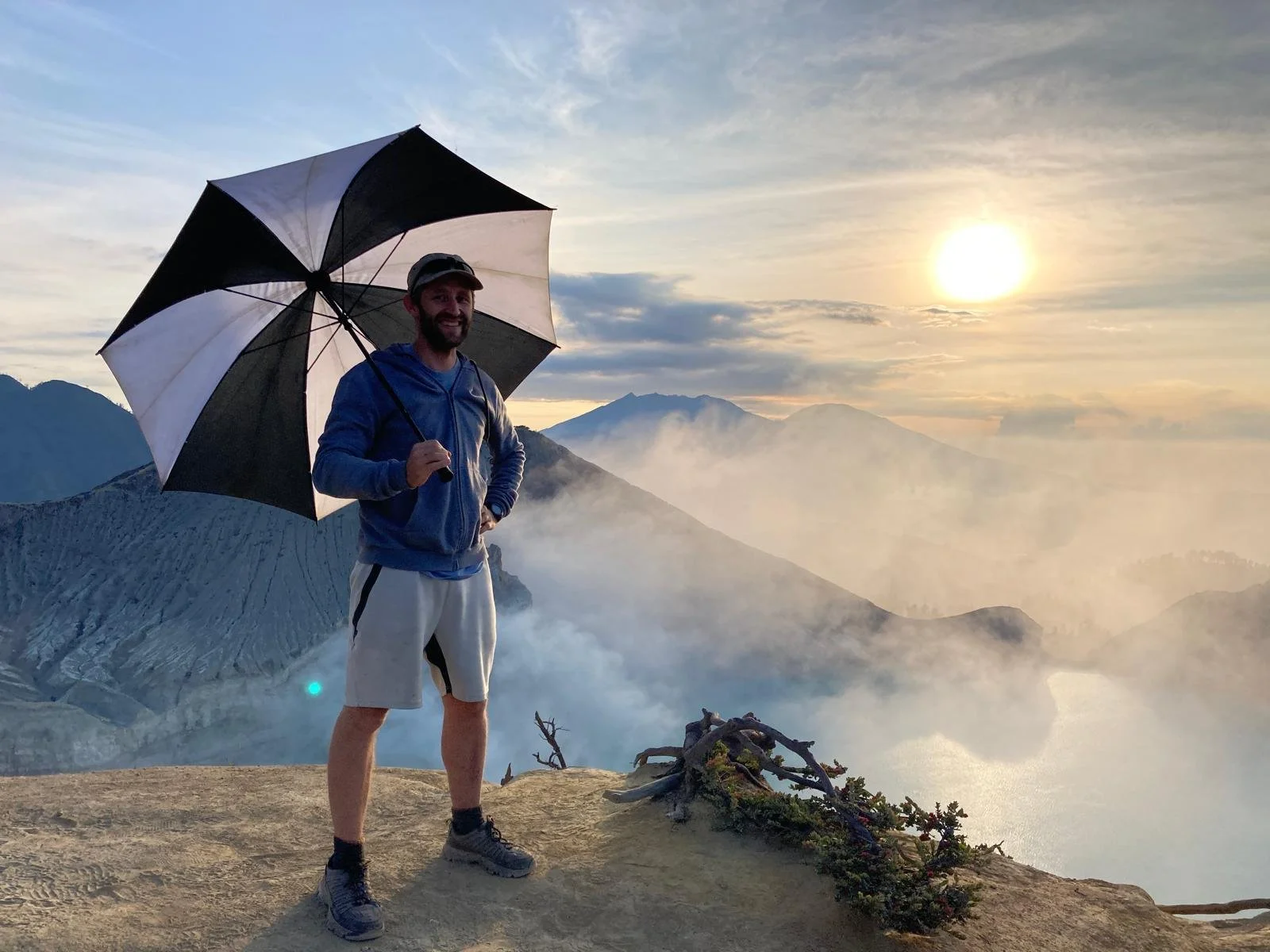
Image: Moritz Katz
Final Thoughts
Moritz Katz does not see himself as a hero, an explorer, or an adventurer. He sees himself as a messenger - someone fortunate enough to spend long, quiet stretches of time in places most people will never reach, and entrusted with the responsibility of sharing those moments truthfully. For him, the privilege of being there comes with an obligation: to observe carefully, to interfere as little as possible, and to let nature speak in its own voice.
There is a humility in the way he approaches his work. Long days of waiting, of watching, of returning to the same location again and again without knowing if anything will happen at all. Success is never guaranteed, and recognition is secondary. What matters is that the story remains honest - that the animal’s life is not shaped by the camera, and that the viewer is invited into a real moment, not a constructed one.
In an age defined by speed, noise, and endless content, Moritz’s films stand apart. They ask something rare of us: patience. They remind us that some stories cannot be rushed, that understanding grows slowly, and that paying close attention is, in itself, an act of respect. His work does not demand awe - it earns it, quietly.
Audiences may already recognize his work through major international broadcasters and documentary platforms, including productions for ZDF Studios and other global partners, as well as acclaimed films such as our office favourite - Island Pioneers: Canadas Sea Wolves. Across each project, the thread remains the same: a deep reverence for place, and an unwavering commitment to truth in storytelling.
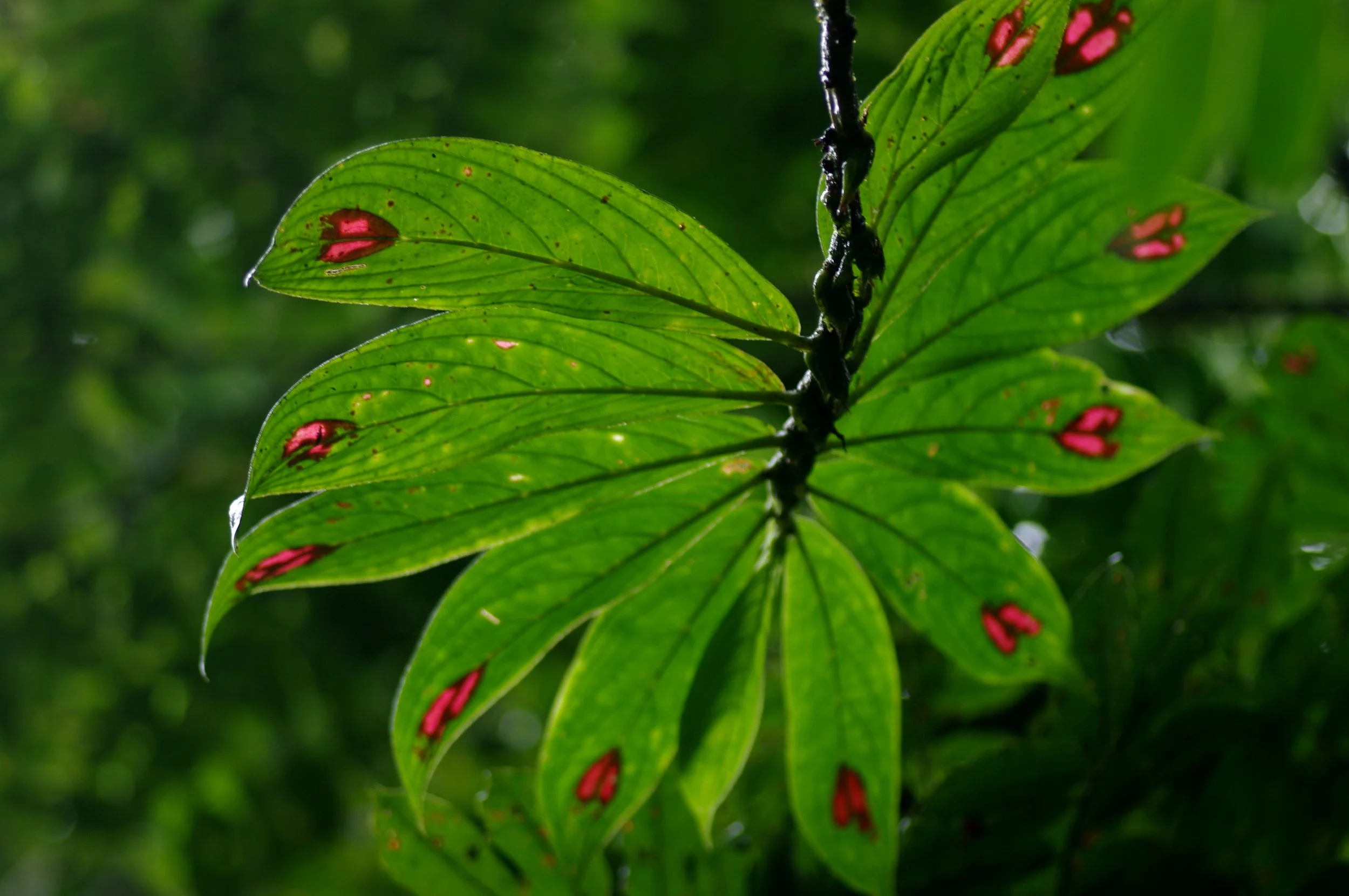
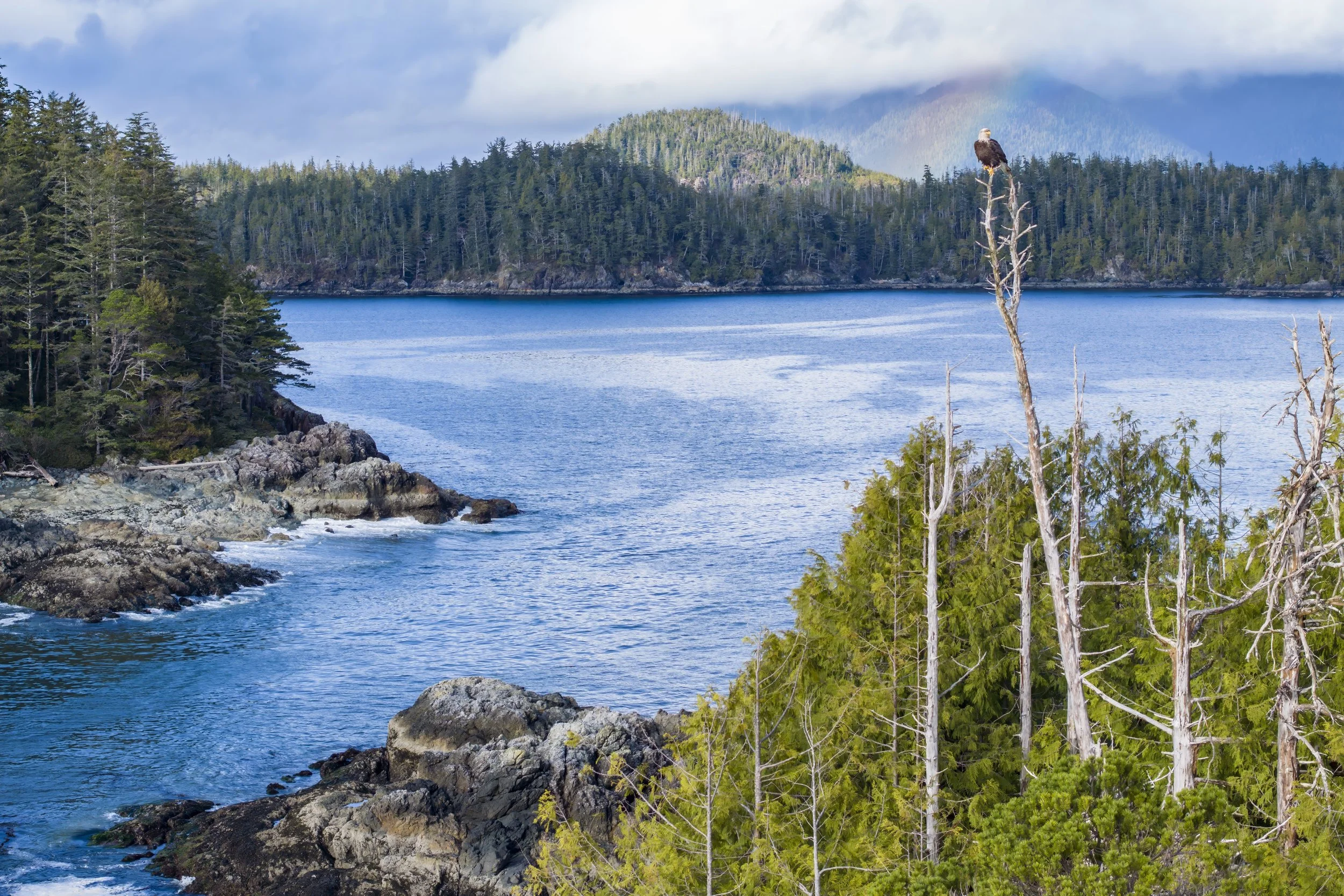
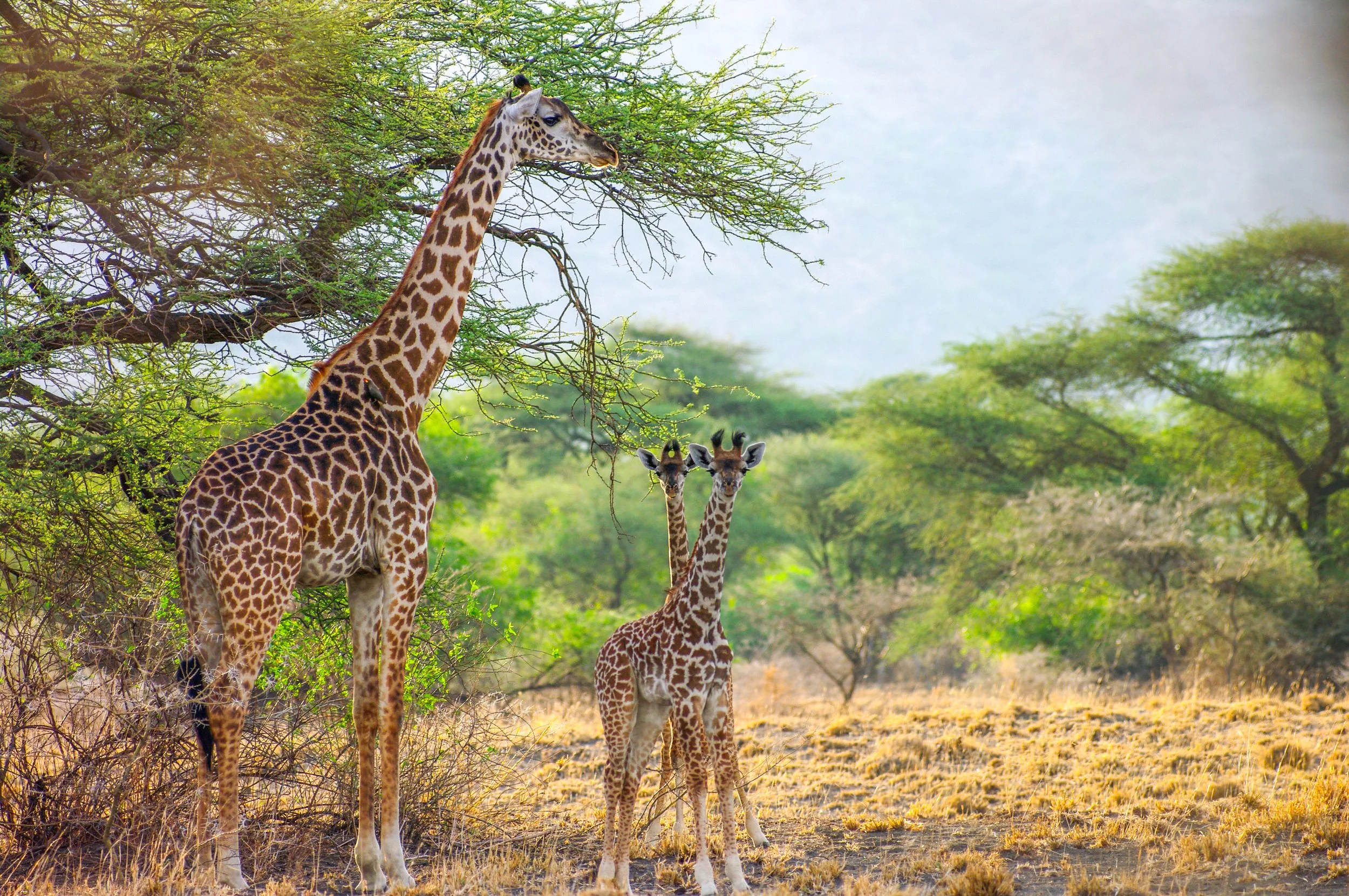
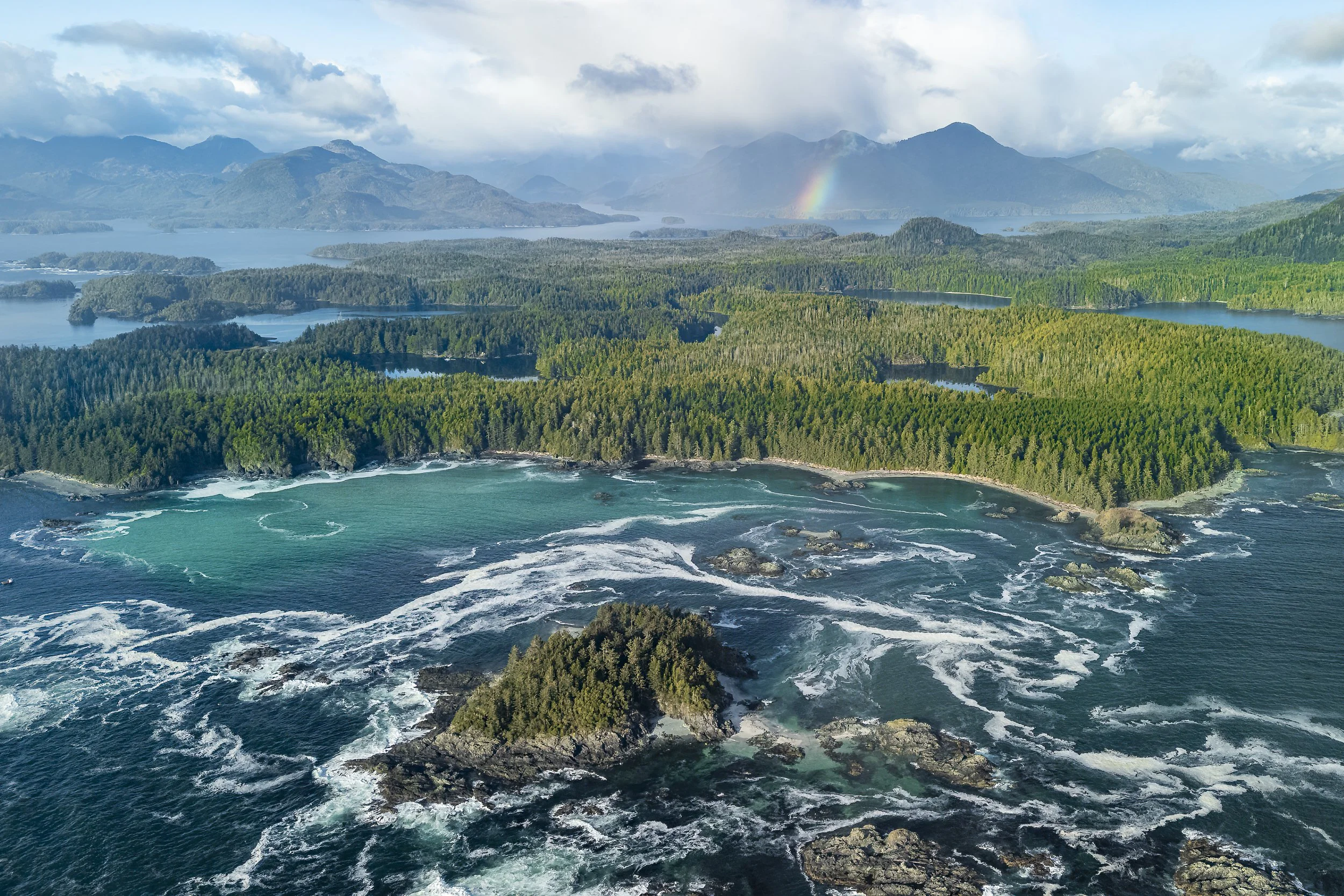
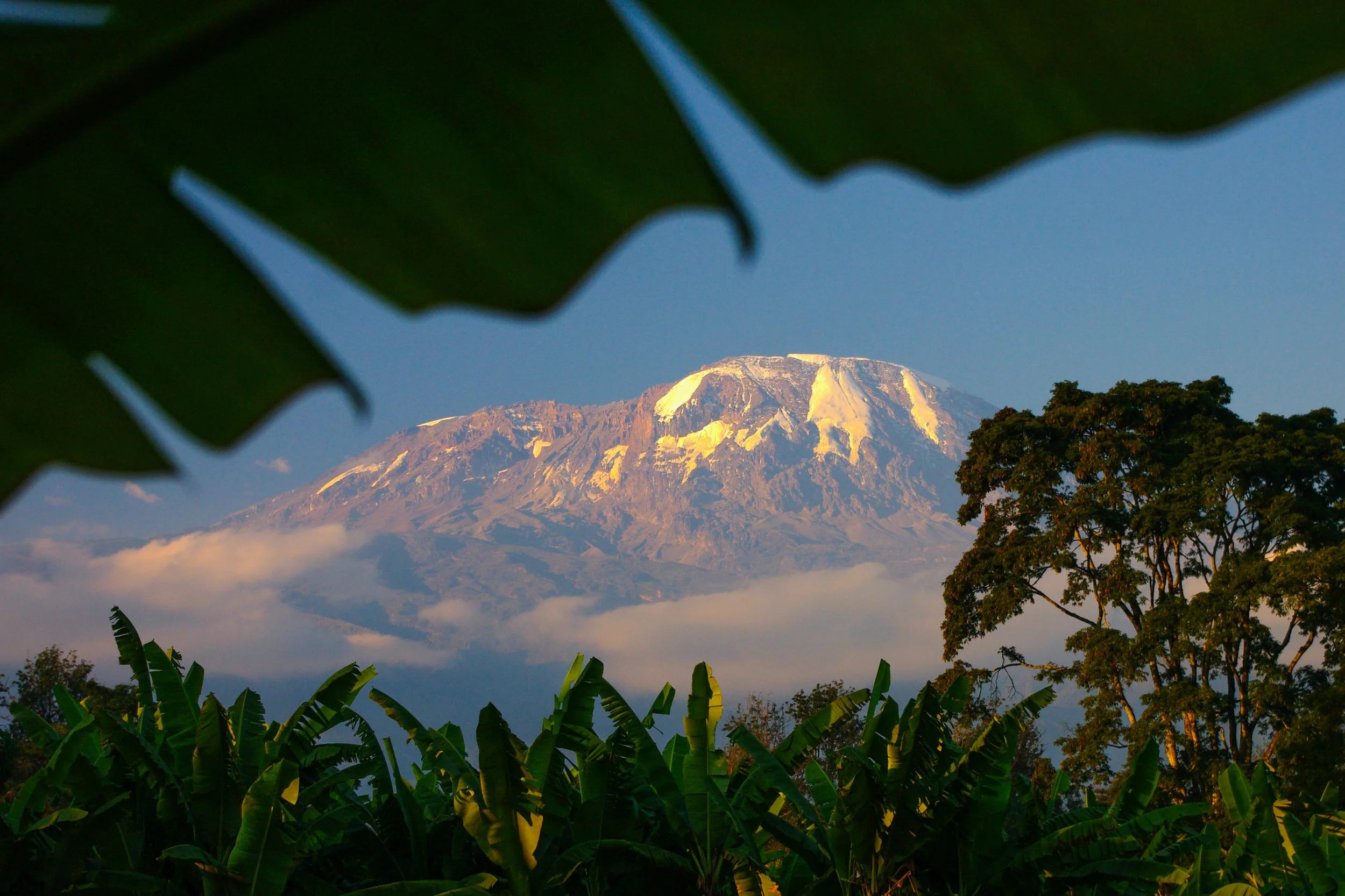
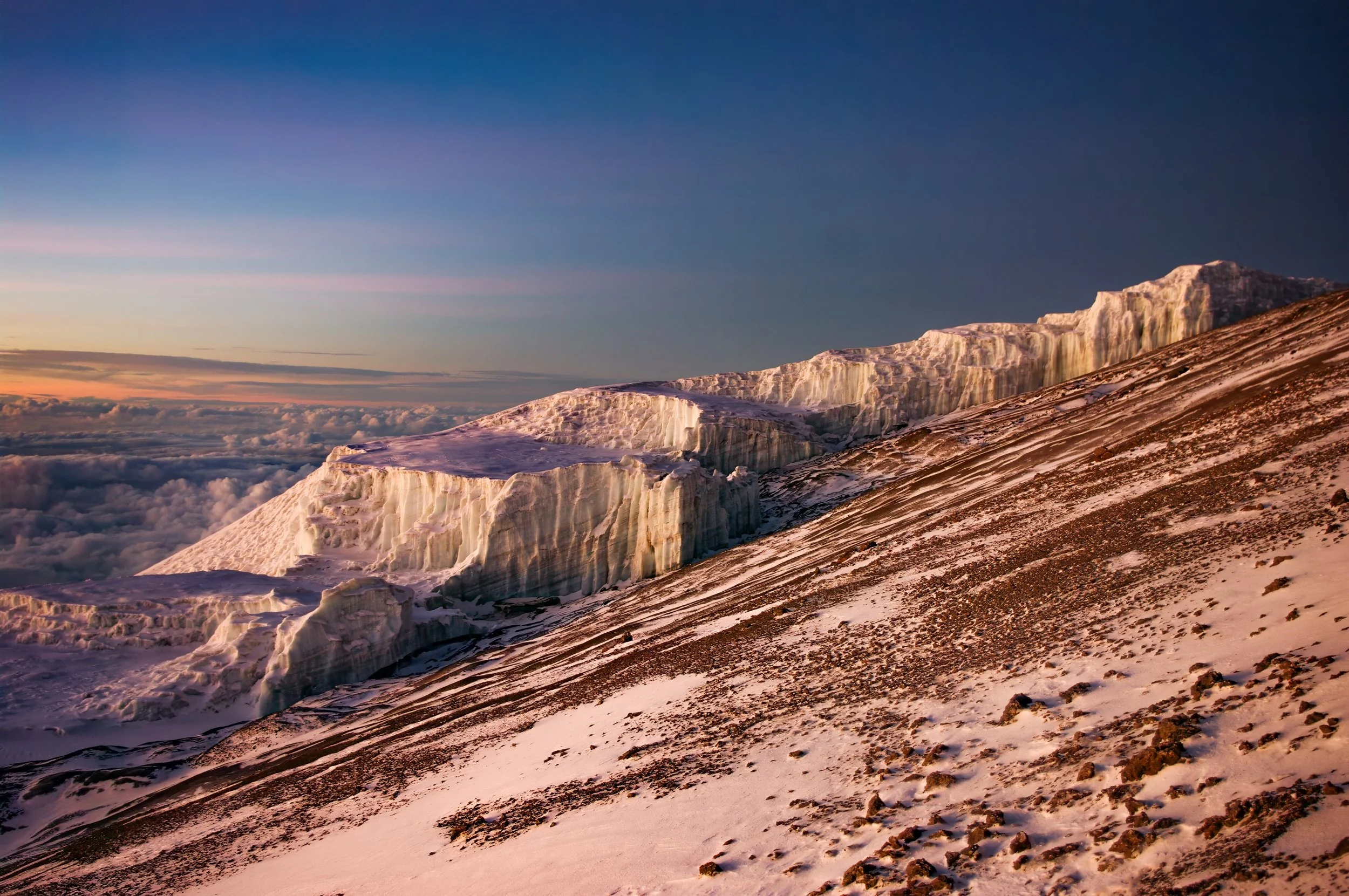
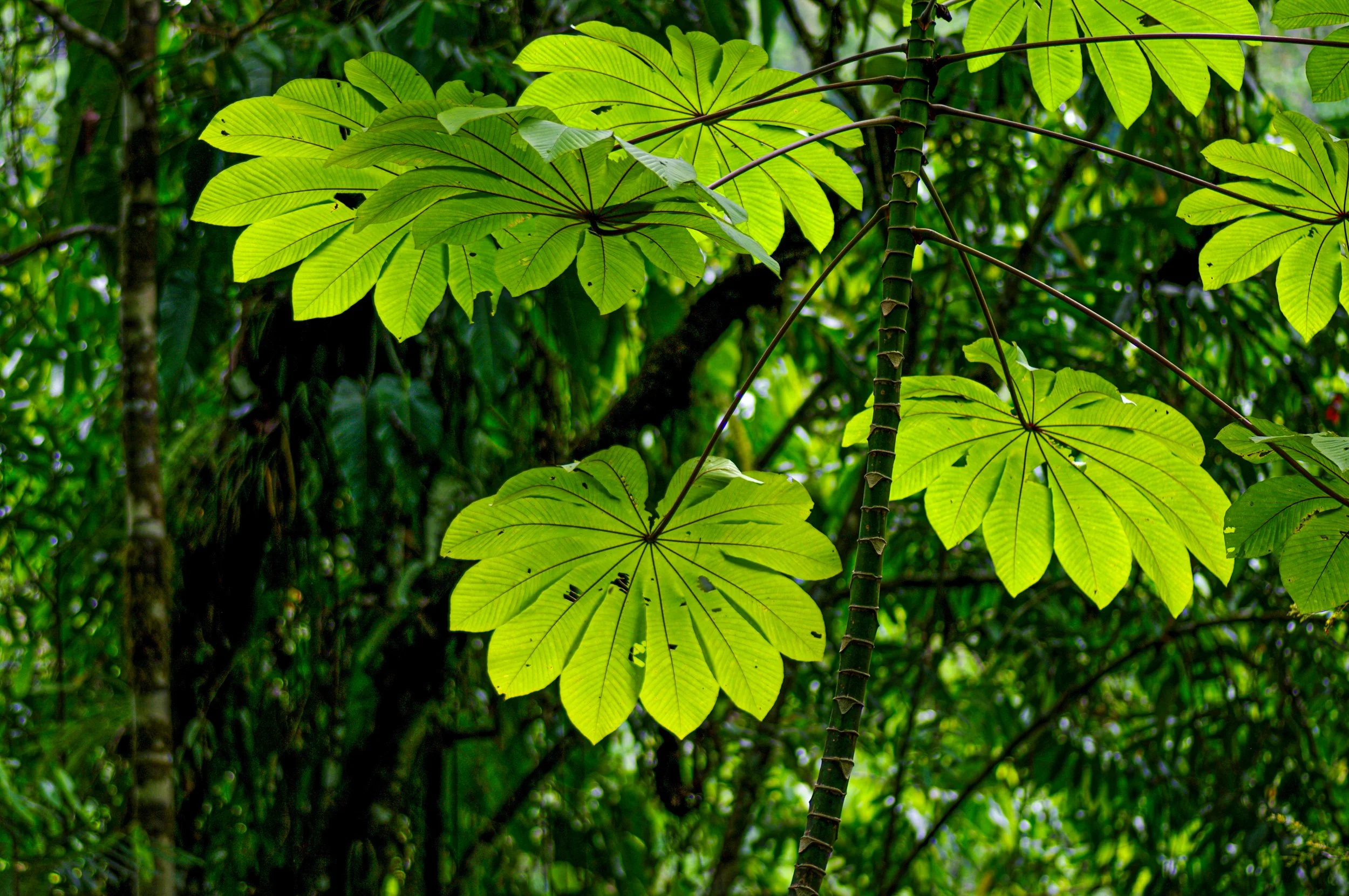
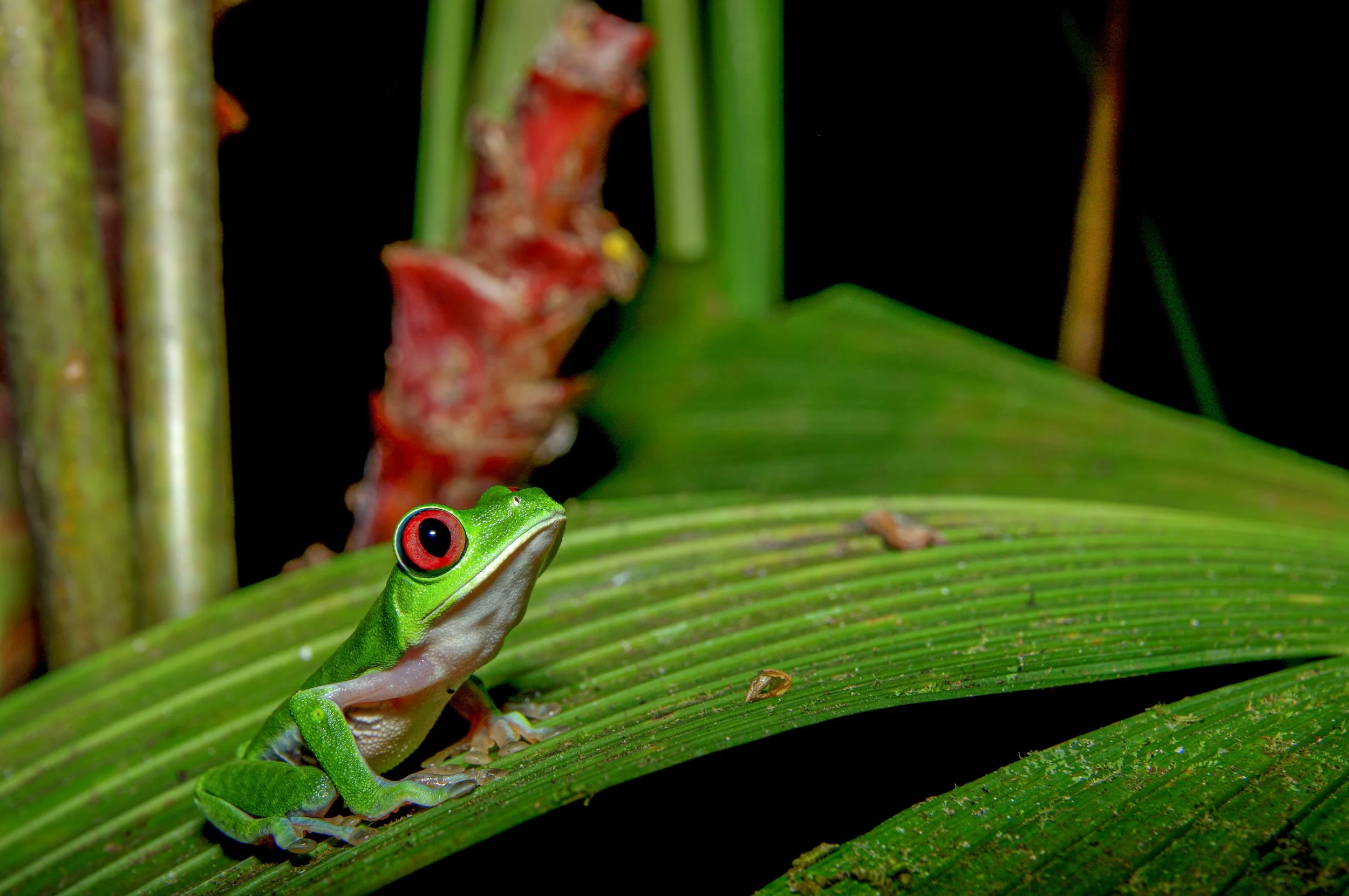
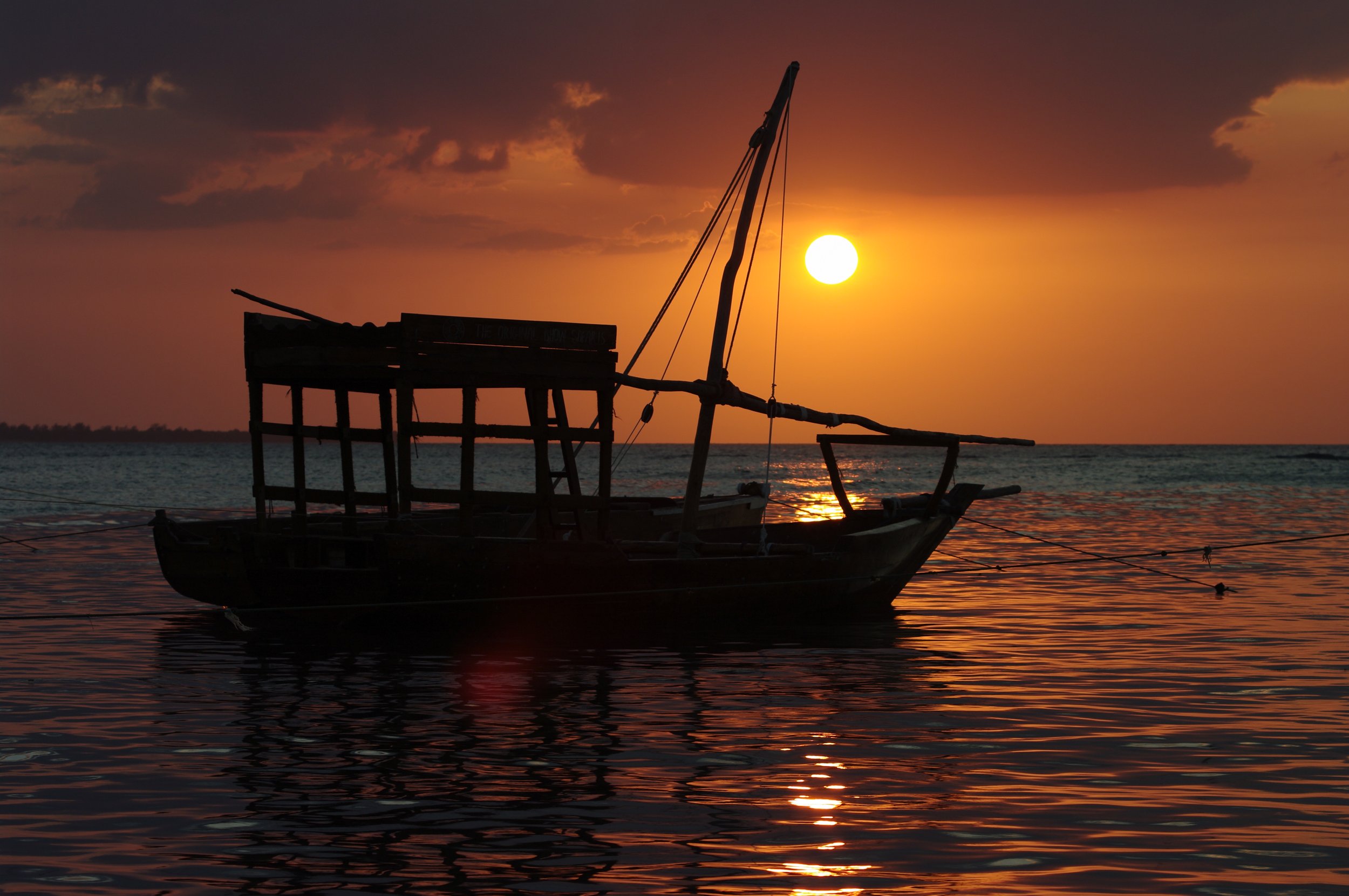
As we bring this conversation to a close, we felt it only right to share more of the extraordinary imagery Moritz was generous enough to provide for this piece. The photographs that follow are not just beautiful - they are extensions of the same philosophy that guides his films. Quiet, patient, and deeply respectful glimpses into a world that still has so much to teach us, if we are willing to slow down and truly look.